Customer Service: (803) 980-4AMP (4267)

Resource Center - Aqua Management Partners

shutterstock_1389519704.webp

Commercial pools operate under stringent expectations when it comes safety, cleanliness, and regulatory compliance. Since dozens or even hundreds of swimmers share the same water, the reliability of the water treatment process directly impacts public health and facility performance. For aquatic facilities, choosing a commercial water treatment system requires careful evaluation of water quality, filtration capacity, sanitation technology, and operational needs.

Unlike residential pools, commercial pools must maintain consistent water purification despite heavy usage and frequent contamination from sunscreen, sweat, cosmetics, and environmental debris. When water treatment systems are poorly designed or undersized, the pitfalls appear immediately: cloudy water, strong chemical odors, and a greater risk of microbial growth.

A properly engineered commercial water treatment system improves water quality, supports regulatory compliance, and creates a safer and more enjoyable guest experience. Effective water purification also protects expensive equipment by preventing scale buildup, corrosion, and contamination within the broader commercial water system.

For facility managers, the decision is about finding the right balance between filtration, sanitation, automation, and maintenance requirements to create a reliable long-term strategy.

Understanding Your Pool Facility’s Water Treatment Needs

Every aquatic facility comes with a unique set of water treatment requirements. The size of the pool, swimmer load, and source water conditions all influence which commercial water treatment solutions will work best.

Pool Type & Usage Profile

Different aquatic environments place different demands on water filtration and sanitation systems. Competition pools often prioritize crystal-clear water for visibility and athlete performance. Meanwhile, leisure pools and waterparks handle higher bather loads, increasing the need for strong filtration and reliable water purification.

Facilities with spas, splash pads, or therapy pools face additional challenges because warmer water increases chemical consumption and microbial growth potential. Indoor pools must also manage air quality because chloramine buildup can occur when water purification is insufficient.

Each of these differences explain why aquatic facilities often require custom water treatment systems rather than standardized, one-size-fits-all equipment packages.

Bather Load & Turnover Rate

Bather load direct connects to water quality. Each guest introduces organic contaminants that quickly degrade disinfectant levels; high swimmer density increases the need for efficient filtration and faster turnover rates.

Commercial pools therefore rely on water filtration systems capable of continuously removing suspended particles. Strong water filtration improves sanitizer performance by reducing organic contamination before it reacts with disinfectants. Facilities with heavy usage may use technology similar to industrial water treatment equipment to keep stable conditions.

Source Water Quality

Fill water quality plays an important role in long-term pool chemistry, as source water may contain minerals such as calcium or iron that influence scaling and staining.

Facilities located in regions with hard water often turn to water softeners to reduce mineral buildup. Using a water softener helps stabilize water quality and reduce strain on heaters and piping.

Baseline water quality testing helps identify hardness, metals, and total dissolved solids in the incoming water. This data informs better water treatment planning, allowing operators to select the appropriate water filter, water filters, or pre-treatment system.

Core Components of Commercial Pool Water Treatment Systems

Modern aquatic facilities count on several technologies working together to maintain safe water conditions. A complete commercial water treatment system combines filtration, sanitation, and monitoring technologies.

Filtration Systems

Filtration is the foundation of effective water treatment because it removes suspended particles that cloud water and interfere with sanitizers.

Common water filtration methods used in commercial pools:

  • Sand filtration
  • Cartridge filtration
  • Diatomaceous earth (DE) filtration

Each approach functions as a specialized water filtration system designed to remove different particle sizes. For example, sand systems provide durable high-flow filtration, while DE filters capture very small particles for superior clarity. Cartridge filters require less backwashing, but they need routine cleaning.

Technologies are often tied together into a larger commercial water filtration system that uses multiple water filters to maintain performance. Strong commercial water filtration also supports overall water purification and protects downstream equipment. Many aquatic facilities treat this infrastructure similarly to industrial water filtration systems used in manufacturing or utilities.

Primary Sanitation Systems

Sanitation is achieved through controlled dosing of water treatment chemicals that destroy bacteria and viruses in the water.

Chlorine remains the most widely used disinfectant as it provides a measurable residual. Facilities can use liquid chlorine feed systems, tablets, or salt-generated chlorine systems.

However, these chemical programs require strict attention to chemical safety in water treatment, including proper storage, ventilation, and staff training.

Secondary Disinfection & Oxidation Systems

Secondary treatment technologies help improve water purification and reduce chloramine formation.

UV systems and ozone systems are two common examples; these technologies deactivate chlorine-resistant pathogens and improve indoor air quality by reducing combined chlorine compounds.

For many facilities, secondary treatment is an important step toward sustainable water treatment practices because it can reduce chemical demand and stabilize water quality.

Water Balance & Chemical Automation

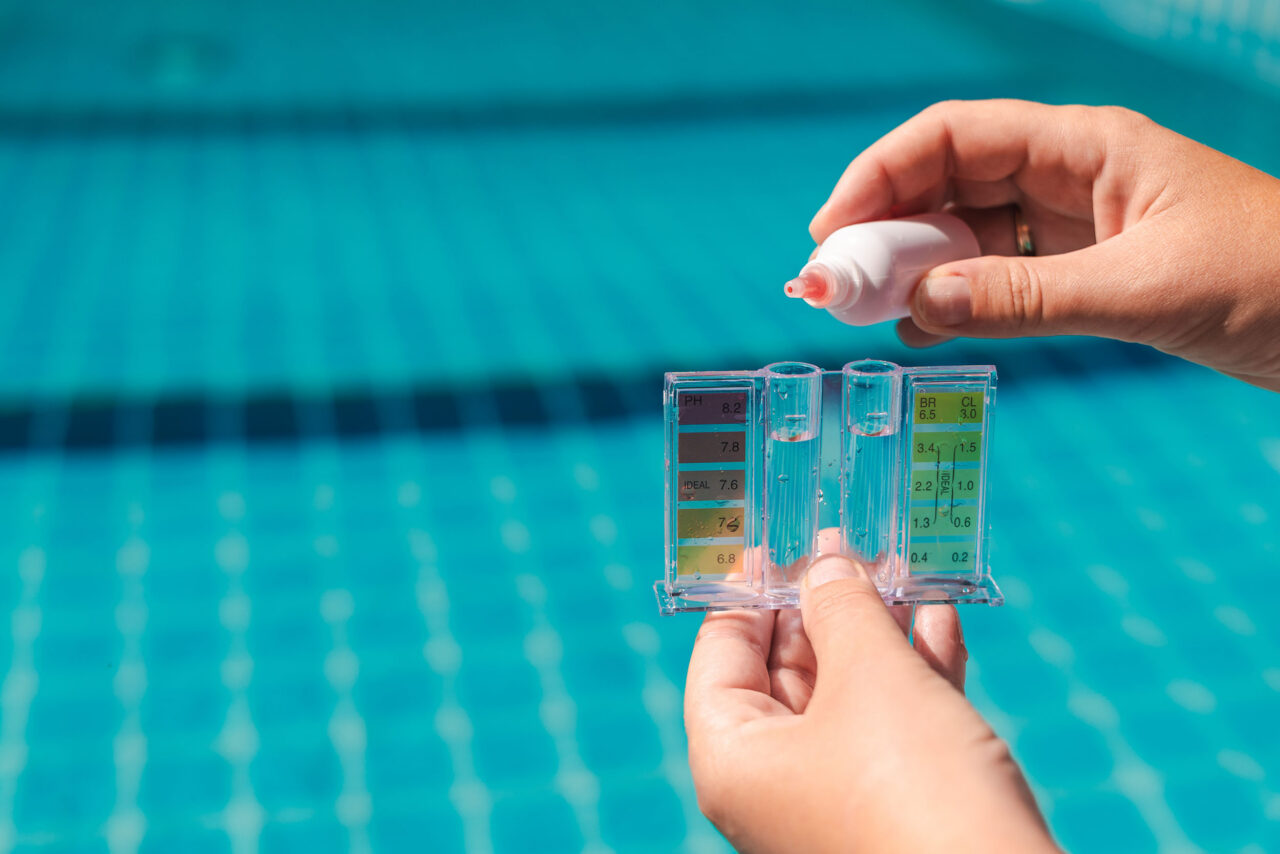
Automation systems help operators maintain consistent water treatment conditions. Sensors monitor pH and oxidation-reduction potential (ORP), allowing automated adjustments to chemical dosing.

Real-time monitoring benefits water purification and reduces manual chemical handling. Automation also minimizes labor and streamlines the documentation required for regulatory inspections.

Key Factors When Choosing a Pool Water Treatment System

Selecting equipment requires evaluating several operational and regulatory factors:

1. Health Department Codes & Compliance

Commercial aquatic facilities must meet strict environmental regulations for water established by state and local health departments.

Many jurisdictions reference the CDC Model Aquatic Health Code when developing inspection standards. Facilities need to document sanitizer levels, pH, and testing procedures to maintain compliance.

2. Safety for Staff and Swimmers

System design also affects operational safety. Chemical storage systems must limit exposure risks, and ventilation is necessary to prevent harmful fumes. Automation technology can mitigate manual handling of water treatment chemicals, improving overall safety.

Reliable water purification protects swimmers by preventing contamination events and achieving safe sanitizer levels.

3. System Scalability & Future-Proofing

Aquatic facilities often expand over time. New features, increased attendance, or regulatory changes can spur the need for system upgrades. Modular water filtration systems and expandable water treatment technology allow facilities to scale capacity without replacing the entire system.

4. Maintenance Burden & Operational Simplicity

Maintenance requirements vary significantly between the technologies. Filter backwashing, sensor calibration, and replacement schedules all affect staffing needs.

With that in mind, systems designed for simple operation reduce downtime and help maintain stable water quality. Consistent maintenance of water treatment systems is integral to long-term reliability.

5. Total Cost of Ownership (TCO)

Initial purchase price rarely reflects the true cost of water treatment.

Facilities should evaluate chemical consumption, energy usage, maintenance requirements, and equipment lifespan. A detailed cost analysis of water treatment helps decision-makers compare expenses over the long-term. Efficient commercial water purification systems often end up reducing chemical demand and boosting energy efficiency.

Common Mistakes When Selecting Pool Water Treatment Systems

Several simple mistakes can undermine a facility’s water treatment strategy.

Undersized systems are one of the most frequent issues. When filtration capacity is too low, contaminants accumulate faster than the system can remove them.

Facilities sometimes ignore secondary treatment technologies, which can lead to persistent chloramine buildup in indoor pools. Poor integration between water filtration, sanitation systems, and chemical feed equipment can also disrupt water purification.

Another common oversight is failing to evaluate indoor air quality. Without adequate ventilation and secondary disinfection, chloramines can create unpleasant odors and swimmer discomfort.

Most notably, selecting equipment based solely on the sale price often results in higher operational costs over time.

Optimize Pool Water Treatment Systems with Professional Help

Professional consultation can significantly improve water treatment outcomes for aquatic facilities.

Specialists start with a system audit that evaluates existing water filtration, circulation rates, and chemical management practices. From there, engineers develop water treatment system design plans tailored to the facility’s exact operating conditions. This process can include recommendations for improved commercial water filtration, automation upgrades, and updated chemical programs.

Facility managers seeking a more holistic strategy can explore commercial water management practices that increase overall system efficiency. Facilities should also review appropriate commercial pool chemicals and handling procedures to support safe operations.

Professional guidance helps aquatic facilities maintain safe water, reduce operational costs, and implement reliable water purification strategies. Ultimately, effective water treatment should be viewed as a strategic investment. Well-designed systems protect swimmer safety, improve guest satisfaction, and support operational efficiency.


comm_pool_uv.webp

Commercial pool operators are facing more stringent standards for water quality, swimmer health, and compliance with changing health regulations. Guests count on clear pool water, inspectors expect documented disinfection practices, and owners need to manage operating costs while mitigating the environmental impact of pool chemicals.

These competing demands have increased interest in UV disinfection for commercial pools. While traditional chlorine-based pool sanitation remains required, the reality is that chlorine-only systems have limitations. High bather loads, rising organic contamination, and chlorine-resistant microorganisms can all compromise swimming pool water quality.

As a result, more facilities now see UV disinfection as a practical way to strengthen swimming pool disinfection programs while adhering to commercial pool safety guidelines. UV doesn’t replace chemicals; instead, it complements existing pool filter and circulation systems, allowing facilities to improve water treatment outcomes without increasing chemical dependency.

What is UV Disinfection and How Does It Work?

UV disinfection is a physical process that uses ultraviolet light technology, specifically UV-C wavelengths, to inactivate harmful microorganisms in water. UV-C light penetrates bacteria, viruses, and protozoa, damaging their DNA or RNA so they can’t reproduce. This same UV water treatment approach has been used for decades in drinking water treatment systems worldwide.

In a commercial setting, a UV pool system is installed within the circulation loop, typically after filtration. As pool water passes through the chamber, it receives a controlled UV dose before returning to the swimming pool, boosting water quality without chemicals.

Facilities typically choose between low-pressure and medium-pressure UV systems. Low-pressure systems prioritize energy efficiency, while medium-pressure systems provide broader-spectrum output for higher-risk pools. Both options function within the wider UV sanitation system for consistent pool sanitation.

Why UV Disinfection is Effective for Commercial Pool Environments

High-use environments introduce sweat, body oils, cosmetics, and organic debris into the water. When chlorine interacts with these contaminants, it forms chloramine, contributing to strong odors, eye irritation, and respiratory discomfort. UV addresses this challenge by breaking down chloramine while neutralizing microorganisms.

According to the CDC, UV disinfection is particularly effective against chlorine-resistant pathogens such as Cryptosporidium and Giardia. While these organisms can survive for days in chlorinated pool water, UV inactivates them in seconds. This makes UV invaluable for swimming pool facilities with high bather turnover.

Operators who closely follow UV pool maintenance tips see benefits such as clearer pool water, improved air quality in indoor swimming pool spaces, and more stable water quality metrics — all outcomes that directly impact customer satisfaction in pool services.

UV Disinfection vs Traditional Chlorination

It’s crucial to note that UV doesn’t eliminate the need for chlorine. Health authorities still require a chemical residual in commercial pools to protect swimmers between circulation cycles. Chlorine provides that residual protection, while UV enhances overall disinfection performance.

Together, UV and chlorine form a layered pool sanitation method. UV reduces pathogen load and chloramine formation, allowing operators to reduce overall chlorine usage without compromising swimming pool safety. This makes it possible for facilities to stay compliant with pool water quality standards while incorporating chemical disinfection alternatives.

Facilities integrating UV can also see reduced corrosion in ductwork, lighting, and structural components. Plus, the lower chemical volatility protects finishes and mechanical equipment, improving long-term pool maintenance.

Health and Safety Benefits of UV Disinfection

The health benefits of UV sanitation go beyond pathogen control. Lower chloramine levels reduce eye and skin irritation, improve breathing comfort, and support better indoor air quality. Children, seniors, and therapy pool users especially benefit from these enhancements.

CDC data shows that UV-supported swimming pool disinfection lowers the risk of recreational water illnesses linked to chlorine-resistant microorganisms, directly aligning with public health regulations for pools while strengthening overall swimming pool safety programs.

Although UV improves baseline sanitation, it still can’t replace corrective action. Operational practices like getting rid of algae in your pool remain paramount, supported by filtration, brushing, and chemical treatment.

Regulatory Compliance and Industry Standards

The CDC and the Model Aquatic Health Code (MAHC) recognize UV as a supplemental disinfection technology, particularly for high-risk venues such as waterparks, therapy pools, and indoor commercial pools. Many state and local agencies refer to MAHC guidance when evaluating commercial pool safety.

Inspectors are increasingly expecting facilities to document how they manage bacteria and virus control in pools, chloramine reduction, and water quality stability. Modern UV systems provide measurable performance data that supports compliance during inspections.

UV is often evaluated during system upgrades, major repairs, or operational resets such as draining a commercial pool, when facilities reassess long-term water treatment strategies.

Operational and Cost Considerations for UV Systems

Installation costs for a UV sanitation system can vary based on pool size, flow rate, and system type. Ongoing costs include electricity and lamp replacement, typically on an annual basis. However, these expenses are often offset by lower chemical use, less corrective treatments, and longer equipment life.

From an operational standpoint, UV supports energy efficiency in pool systems by stabilizing water chemistry and eliminating the need for aggressive chemical dosing. Facilities interested in eco-friendly pool systems often view UV as an investment in sustainable pool maintenance, not a short-term expense.

Is UV Disinfection Right for Your Commercial Pool?

Deciding whether UV disinfection fits your facility depends on your bather load, regulatory expectations, indoor air concerns, and long-term maintenance goals. Ultimately, UV works best as one component of a comprehensive strategy that spans filtration, circulation, and properly chosen commercial pool chemicals.

Aqua Management Partners provides full-scale commercial pool services, including UV system assessment, installation, integration with existing infrastructure, and ongoing support. With experience across regulatory environments, AMP helps facilities adapt to the latest trends in pool technology while maintaining safe and successful operations.


comm__pool_lux.webp

Why are commercial pools held to higher safety standards than residential pools? Public settings have higher bather loads and wider access, raising the chance of contamination, injuries, and supervision gaps.

When standards aren’t met, the costs can include injuries, claims, lost revenue during closures, and reputational damage. To prevent such pitfalls, this guide breaks down the main controls facility teams use to reduce risk.

Regulatory Compliance and Health Department Requirements

In the United States, most swimming pool regulations are enforced by state and local health departments. Many jurisdictions use the CDC’s Model Aquatic Health Code as a science-based reference. Federal rules also apply in specific areas, such as drain cover requirements under the Virginia Graeme Baker (VGB) law.

Inspection schedules vary by jurisdiction and venue type. Public pools often receive routine inspections before and during peak season, and many states also prioritize inspections of public pools that host camps or large events. Hotels, HOAs, and fitness centers may be inspected on different cycles, but most reviews cover water testing records, circulation operation, barriers, and emergency gear.

What violations are most cited? Water chemistry and documentation problems are common, along with broken barriers and noncompliant suction outlets. Code enforcement supports public health by preventing illness and injury at aquatic venues. For pool operators, a practical way to stay ready is to keep a pool safety compliance checklist that matches local code items and the MAHC elements inspectors reference.

Proper Pool Fencing, Barriers, and Controlled Access

Barriers limit unsupervised entry and help staff control who’s on deck. They also improve child safety around pools, which becomes a challenge with larger crowds. The American Academy of Pediatrics recommends four-sided isolation fencing as a key layer of drowning prevention for children.

Codes commonly specify minimum fence height and standards for self-closing gates and self-latching hardware. In a commercial pool setting, gate function matters as much as fence height; gates and latches should be checked on a consistent schedule since rust, sag, and misalignment can appear quickly.

Pool access control, like keycard entry and alarmed gates, prevents after-hours trespassing and gives the facility better documentation if an incident is reported. When possible, incorporate ADA-compliant entry points during design so accessible routes don’t block supervision or traffic flow.

Drain Covers, Entrapment Prevention, and VGB Compliance

Entrapment happens when suction holds a swimmer to an outlet or catches hair, limbs, or clothing. It can escalate quickly, so it’s treated as a high-priority hazard. The VGB Pool and Spa Safety Act requires drain covers to meet strict performance standards, with the rule codified in federal regulation.

What maintenance is required to remain compliant? Start with listed, compliant covers and track service life. For any commercial pool renovation, confirm outlet layouts and flow rates before reopening. Record installation dates, keep purchase documents, and replace covers based on manufacturer limits. Many facilities also use secondary devices like vacuum release systems, which also require periodic verification and records for audits.

Water Chemistry and Sanitation Controls

How does improper water chemistry impact swimmer safety? Weak disinfection can allow outbreaks, while poor balance irritates eyes, skin, and airways. Maintaining stable water quality is also part of environmental health, as poor controls can increase chemical exposure risks for staff and guests.

Local codes set minimum disinfectant and acceptable pH ranges, as well as response steps when readings drift. Keep water quality records in a format that inspectors accept and verify test kits and sensors on a defined schedule. Automated controllers can reduce swings, but sensors still need calibration and manual verification.

For chemical safety, the biggest priorities are staff training, safe storage, and clear labeling to reduce chemical injuries. If you purchase commercial pool chemicals, keep products separated, labeled, and inventoried so mistakes are less likely.

Slip, Trip, and Fall Prevention Around Pool Decks

Water and traffic patterns create predictable wet zones near ladders, steps, and entry points. And in a public setting, a single slick area can lead to repeated safety incidents.

To reduce slip hazards, use textured finishes, repair worn coatings, and control algae growth. Commercial pool decks should also be evaluated after resurfacing or major weather swings. Additionally, put daily rounds in place that focus on slip and fall prevention across hot spots, such as corners, drain grates, and the path from showers to the deck.

How can facilities address drainage and surface wear? Good slope and functional drains reduce standing water. Fix cracks and uneven joints quickly and document all repairs. Seasonal checks are critical in freeze-thaw regions where heaving can change elevations.

Lifesaving Equipment and Emergency Preparedness

While requirements vary, many codes call for a ring buoy, reaching pole, first aid supplies, and an AED. Always keep safety equipment visible and unobstructed so staff can act fast.

How should emergency equipment be maintained? Inspect gear on a schedule, track expirations, and replace damaged items. Keep a simple log that shows dates, initials, and corrective actions.

During a rescue, mere seconds matter. Written emergency response plans should clearly define roles, who calls 911, how the deck is cleared, and where responders meet. Review the plan with every shift and rehearse it.

Lifeguard Staffing, Training, and Awareness

Lifeguard requirements depend on venue type, bather load, and local rules; for example, some locations require lifeguards for certain hours or for higher-risk features. When supervisors schedule active scanning breaks and rotate posts, pool safety improves as a result.

Lifeguard training builds rescue skills, scanning habits, and incident response. The American Red Cross notes that lifeguarding recertification is valid up to two years. Staff who handle chemicals also need task-based instruction aligned to site layout and storage practices.

Staff who spot distress early, enforce posted rules consistently, and know when to close a venue are able to reduce escalation. Clear reporting procedures also support investigations and corrective action.

Signage, Rules, and Guest Communication

Many jurisdictions demand depth markers, no diving warnings, and emergency instructions. Put pool safety signage at entry points and at depth changes, where guests make most decisions. Safety also improves when staff walk the deck and correct issues before they turn into incidents.

Clear rules reduce conflict and improve overall compliance. Post pool rules in plain language, review rules during staff huddles, and reinforce them with staff messaging and consistent enforcement.

Which rules should always be posted? Cover diving restrictions, supervision requirements for children, prohibited glass, and closure triggers. Also, consider adding multilingual formats for more effective communication. Together, these help pool users understand expectations without relying on guesswork.

Preventive Maintenance as a Safety Strategy

Preventive work keeps circulation, disinfection, and access controls reliable for pool operators. Good logs also show regulators that the facility treats hazards as top priorities.

Mechanical checks should include pumps, filters, heaters, and controllers, while structural checks should include rails, ladders, tiles, and deck joints. Add electrical checks, including bonding and grounding safety, as that directly connects to shock risk and code compliance.

A documented schedule, clear work orders, and verification steps lower the odds of repeat failures. For many facilities, pool maintenance is most effective when planned around peak usage and backed by a written calendar that accounts for parts lead times.

Creating a Safer Commercial Pool Environment

Risk control is strongest when it’s treated as routine work: review incidents, audit controls, and refresh training. For facility leaders and pool owners, that thoughtful approach supports stable operations and guest confidence. Set up periodic inspections, keep documentation current, and use pool cleaning routines that match bather load and season.

If you manage public pool programs, document corrective actions after every inspection and share trends with staff. For a public pool that hosts camps or parties, tighten child supervision rules and access checks. For a hotel public pool, focus on consistent signage and fast response to deck hazards.

Aqua Management Partners helps operators improve compliance and streamline operations, from chemistry support to technical guidance. Contact us today to discuss your facility’s needs.


commercialPool.webp

Commercial pools operate under constant physical, chemical, and regulatory pressure, with higher bather loads, longer operating hours, and complex systems all placing strain. For facility managers and owners, many repairs are just another part of the operational lifecycle.

Usage volume accelerates wear on pool equipment, plumbing, surfaces, and safety systems, while regulations governing water quality, pool water circulation, and public safety increase liability exposure. When repair work is delayed, facilities face the risk of downtime and inspection failures.

Proactive planning keeps pool maintenance predictable while supporting long-term goals. Rather than a last resort, repairs should be treated as manageable events with structured maintenance, reliable pool service, and experienced partners.

1. Leaking Pipes, Fittings, and Plumbing Lines

Leaks remain one of the most disruptive pool repair issues in commercial pools. Large plumbing networks, underground lines, and integrated water feature systems increase exposure to failure.

Aging PVC, chemical corrosion, freeze and thaw cycles, shifting soil, and improper installation all contribute to pool plumbing issues. Pressure-side leaks often show visible water loss, while suction-side leaks introduce air into circulation systems.

What are the warning signs? Unexplained water loss, wet deck areas, air bubbles in returns, pumps losing prime, and fluctuating pool water levels. Even small leaks can waste thousands of gallons monthly in a high-use pool.

Professional pool leak detection allows maintenance teams to isolate failures through pressure testing and targeted inspection. Early repair is essential to stop minor issues from snowballing into structural damage or emergency closures.

2. Pool Pump Failures and Motor Issues

The pool pump is the mechanical core of a commercial pool. Commercial systems run longer and harder than residential systems, increasing failure rates.

Motor burnout, bearing wear, shaft seal leaks, and impeller damage are common pool repair scenarios. Poor water chemistry, including corrosive pH levels or high calcium hardness, accelerates wear on pool equipment.

Failing pumps reduce circulation and degrade water quality, increasing energy consumption as a result. In some cases, targeted pool equipment repair can restore function. But in many others, a replacement aligned with modern efficiency standards is the best long-term option.

3. Filter System Repairs and Media Replacement

Filtration performance has a direct compliance impact for commercial pools. Complicating matters is that sand, cartridge, and DE filters can experience cracked laterals, channeling, pressure spikes, and media breakdown.

Cloudy water, frequent backwashing, and unstable pressure readings all indicate the need for maintenance service attention. Delayed repair increases chemical usage and inspection risk; many facilities evaluate system upgrades or rebuilds as part of broader pool renovation planning.

4. Heater and Boiler Repairs

The pool heater is one of the most frequently serviced components in commercial pools. Scale buildup, heat exchanger corrosion, ignition failures, and sensor malfunctions are all common challenges.

Improper water chemistry can damage heater internals, while seasonal startup and shutdown cycles strain components. However, routine inspections and timely repair extend heater lifespan and stabilize operating costs. Plus, modern heater systems integrate better with automation controls.

5. Pool Surface and Structural Repairs

Surface deterioration can affect safety, appearance, and compliance. Plaster erosion, tile failure, coping damage, staining, and delamination are all common in aging commercial facilities. It’s important to note that structural cracking differs from cosmetic cracking and requires professional evaluation.

Damaged surfaces increase slip risks and contribute to inspection failures. Poor commercial pool maintenance shortens surface lifespan, making resurfacing a predictable repair event in long-term planning.

6. Chemical Controller and Automation System Failures

Automation systems improve consistency, but they also introduce new repair considerations. Sensor drift, probe fouling, calibration errors, and communication failures are commonplace in pool automation systems. When automation failures occur, pool water balance and chemical dosing accuracy are affected.

During downtime, trained staff must manually manage pool cleaning and chemical adjustments using approved commercial pool chemicals. Regular calibration and diagnostics support compliance with commercial pool safety standards.

7. Deck, Drain, and Safety-Related Repairs

Deck and drainage failures present immediate safety risks, and cracked decks, broken drains, loose grates, and non-compliant covers often surface during pool safety inspections.

Delayed repair raises exposure exponentially, with ADA requirements and anti-entrapment regulations increasing the severity. Coordinated scheduling limits disruption while addressing compliance concerns.

How Preventive Maintenance Reduces Costly Repairs

Preventive maintenance reduces emergency failures and stabilizes budgets. Routine inspections of mechanical, plumbing, surface, and chemical systems identify trends early on, while seasonal checklists, repair history tracking, and performance data all improve pool maintenance cost estimation.

Facilities that invest in regular commercial pool cleaning services ultimately spend less on emergency repair and experience fewer closures.

When to Call a Professional Commercial Pool Service Provider

Certain repairs shouldn’t be handled in-house; licensed professionals provide specialized tools, regulatory knowledge, and documentation required for audits.

Partnering with experienced providers of commercial pool services reduces your risk and simplifies long-term planning. Professional commercial pool service teams also manage regulated commercial pool chemicals, safely and in compliance with all health codes.

Planning for Repairs Keeps Commercial Pools Operational

Repairs are inevitable in commercial pools, but they don’t have to be disruptive. Facilities integrating repair planning into ongoing pool maintenance stay ahead of failures and protect operating budgets.

Strategic service, timely pool repair, and trusted partners connect the dots between reliability, safety, and cost control. Aqua Management Partners supports facilities with expertise and long-term guidance to keep every swimming pool operating smoothly.


de-pool-filter-1280x720.jpg

Knowing how often to change commercial pool filter components is a critical responsibility for any commercial pool owner, facility manager, or operations team. Commercial pools face far greater demands than residential pools due to higher bather loads, longer operating hours, and strict regulatory oversight. Plus, in a commercial swimming pool, filtration systems often run continuously, filtering thousands of gallons of pool water each day.

The importance of pool filtration goes beyond keeping the water visually clear; pool filters remove suspended debris, organic matter, and fine particles that interfere with sanitizers and contribute to unsafe swimming conditions. When pool filters exceed their effective service life, facilities may struggle to maintain water clarity, experience unstable chemical readings, and face increased risk during inspections. Establishing and following a documented filter maintenance schedule helps reduce these risks while supporting consistent operations.

Commercial filtration performance also has a powerful impact on operating costs. As filters degrade, filter pressure increases, circulation efficiency declines, and pumps consume more energy to maintain required flow rates. Over time, delayed replacement contributes to rising utility expenses, accelerated wear on pool equipment, and unplanned pool repair events. Proactive filter replacement planning helps facilities control costs while protecting swimmer health and regulatory compliance.

General Replacement Guidelines by Filter Type

The different types of pool filters used in commercial pool systems vary widely in lifespan, filtration capability, and maintenance requirements. Understanding how each system performs over time allows operators to make informed replacement decisions:

Sand Filters

Sand systems are commonly seen in commercial pool cleaning applications for their durability and relatively simple design. Typical pool filter lifespan for sand media ranges from three to five years, though high-use commercial pool facilities often experience shorter replacement intervals.

As pool filter sand ages, the sharp edges of individual grains wear down, reducing their ability to trap fine debris. This leads to channeling within the filter bed, allowing contaminants to pass through untreated. Warning signs include cloudy pool water, inconsistent filter pressure, and more frequent backwashing without noticeable improvement. Although sand filters tolerate heavy bather loads, worn sand increases chemical demand and reduces overall filtration efficiency.

Cartridge Filters

A cartridge filter offers finer filtration than sand while minimizing water loss from backwashing. Many commercial pool designs favor cartridges to improve water clarity and support sustainability goals. A typical pool filter cartridge lasts one to two years, depending on bather load, cleaning practices, and water chemistry.

Each filter cartridge contains pleated filter media engineered to capture small particles from pool water. Proper pool filter cleaning and handling can help extend cartridge life, while high filter pressure, poor chemical balance, or delayed cleaning can accelerate deterioration. Facilities comparing cartridge filters and DE filters often weigh labor demands, replacement frequency, and water conservation benefits together.

DE Filters

A DE filter provides the highest level of filtration for commercial swimming pool environments, capturing particles small enough to impact water clarity and swimmer comfort. DE grids generally last seven to ten years, while the DE filter media itself must be replaced after every backwash.

Although DE systems produce excellent swimming pool filter performance, they require disciplined maintenance. Torn grids, uneven DE coating, or improper backwashing reduce effectiveness and raise operating costs. Disposal requirements and handling regulations also make professional pool service support valuable for facilities using DE systems.

Factors That Influence Filter Lifespan

Several operational and environmental variables affect commercial pool filter lifespan, even when equipment is properly sized and installed.

  • Bather load and pool usage: High swimmer volume introduces oils, sweat, sunscreen, and debris that saturate filter media more quickly.
  • Pool water chemistry: Imbalanced pH, alkalinity, or sanitizer levels degrade filter cartridge materials and internal components.
  • Backwashing and cleaning frequency: Excessive cleaning wears down filter media, while insufficient cleaning causes clogging and rising filter pressure.
  • Environmental exposure: Outdoor pools collect pollen, dust, leaves, and insects that strain pool filters.
  • Circulation system design: Improper pump sizing reduces pool filter system efficiency and increases mechanical stress.

Facilities that account for these factors as part of routine pool maintenance are able to gain more accurate insight into replacement timing and system performance.

Warning Signs Your Commercial Pool Filter Needs Replacing

Recognizing the signs of a dirty pool filter helps staff identify when cleaning is no longer effective and replacement is required. These are the most common red flags:

  • Persistent cloudy pool water even after proper pool cleaning and chemical adjustment.
  • Elevated or unstable filter pressure readings that don’t normalize after maintenance.
  • Shorter intervals between cleanings, indicating saturated or deteriorated filter media.
  • Visible physical damage to filter cartridges, grids, laterals, or housings.
  • Increased energy use as pumps work harder to maintain flow.
  • Difficulty meeting turnover requirements, which affects swimming pool safety and compliance.

When facility teams track pressure trends and maintenance records, they’re able to move from reactive fixes to proactive replacement planning.

The Cost & Operational Impact of Delayed Replacement

Delaying pool filter replacement creates compounding operational challenges. Poor filtration increases reliance on commercial pool chemicals, raising costs while masking mechanical issues. Chemical imbalance also accelerates wear on pool equipment, contributing to corrosion, scaling, and premature failure.

As pumps strain against restricted filters, facilities face higher energy bills and increased likelihood of unplanned pool repair. Health department violations, failed inspections, or temporary closures disrupt operations and harm reputation, and guest complaints related to water quality damage customer confidence and attendance. However, proactive replacement mitigates these risks while stabilizing long-term operating expenses.

Recommended Maintenance Routine to Extend Filter Life

Following a structured commercial pool filter maintenance checklist supports consistent performance and longer service life. Consider breaking tasks down into the following chunks:

Daily and Weekly Tasks

  • Monitor filter pressure and log readings.
  • Inspect skimmers and pump baskets.
  • Observe circulation patterns and water clarity.

Monthly and Quarterly Tasks

  • Perform deep pool filter cleaning, including cartridge soaking or DE grid rinsing.
  • Inspect filter cartridge condition, seals, and internal components.
  • Test pool water using calibrated testing kits.

Seasonal and Annual Tasks

  • Schedule professional inspections during pool opening.
  • Replenish filter media such as sand or DE.
  • Verify pump sizing, flow rates, and system calibration.

The value of regular maintenance can’t be stressed enough; facilities make incredible efficiency gains by identifying trends early and optimizing replacement timing.

How Technicians Help Commercial Facilities Stay Compliant

Professional technicians step in with seamless support for complex filtration systems. Aqua Management Partners provides tailored commercial pool services that help facilities evaluate filter performance, identify warning signs, and plan replacements based on real-world usage.

Our technicians assess pool equipment, monitor filter pressure trends, and install replacement components with care. Plus, our ongoing service programs support compliance audits, cut downtime, and boost water quality consistency. For every pool owner, pairing internal monitoring with professional oversight strengthens safety, reliability, and cost control.


pool-drain-shutter-1280x853.webp

What is Commercial Water Management?

Commercial water management encompasses several strategies for controlling water quality, water use, water efficiency, and overall system performance. It covers treatment, monitoring, conservation, risk reduction, and long-term planning across every part of a building’s water systems; in settings like offices, hotels, schools, apartments, factories, and other large properties, water supports everything from drinking, heating, and cooling to sanitation, industrial processes, and irrigation.

Because these activities involve constant water usage, effective water management has become essential for health protection, cost control, sustainability, and regulatory compliance. A well-run program protects public health by reducing risks linked to microbial growth; water systems that aren’t monitored can experience stagnation, leaks, scale buildup, corrosion, and pockets of unsafe or discolored water. These problems can cause equipment failures, higher costs, lower heat transfer efficiency, or health concerns tied to organisms such as Legionella.

When water waste increases or systems fall out of balance, facilities face higher spending on chemicals and repairs. Meanwhile, commercial buildings often rely on water for decorative features like fountains and ponds, which need regular monitoring to avoid algae or fouling that can strain pumps. If issues arise, response steps such as manual flushing, shock chlorination, or filtration cleaning help restore water safety and stability.

Modern water management supports sustainability through long-term water efficiency, lower water consumption, and reduced waste. Data from smart water systems helps managers make decisions without guesswork; remote monitoring tools, smart controllers, and trend reports give facility teams a clearer understanding of how water moves through systems. New tools can identify early signs of inefficiencies, waste, leaks, and system stress points, and when combined with routine maintenance and testing, they support safer and more reliable operations across the entire facility.

Key Components of Commercial Water Systems

Commercial buildings use several water systems that need to be closely monitored. Each of these systems present unique needs for treatment, testing, and protection from waste or damage:

Potable Water Systems

Potable water is what makes drinking, cooking, handwashing, and cleaning all possible. Cleanliness and stable chlorine residuals are the best protection against microbial growth. Facilities test disinfectant levels, sediment buildup, and pipe conditions to maintain safety, with water management plans often incorporating flushing schedules to prevent stagnation in low-use areas such as storage rooms or seasonal spaces.

Cooling Towers

Cooling towers move large volumes of water to control building temperatures. Because they operate in warm conditions, they face increased risks of scale, corrosion, biofilm, and Legionella. Scale buildup inside a cooling tower can reduce heat transfer, which forces chillers to work harder and increases energy costs. Corrosion weakens metal surfaces, while fouling restricts flow and may lead to mechanical failures. Water management reduces these risks by stabilizing water chemistry, monitoring conductivity, and applying biocides.

Boiler Systems

Boilers heat water for space heating and process applications. Minerals in water can form scale inside boilers, which lowers heat transfer and raises energy usage. Treatment programs help remove dissolved oxygen, manage hardness, and reduce corrosion risks; preventing scale in boilers supports better performance and helps extend asset life.

Hot Water Systems

Hot water loops require temperature control to mitigate microbial growth. Stagnation can occur when water stays in pipes that are rarely used, so mixing valves, recirculation systems, and regular flushing can all help maintain water flow. Monitoring hot water systems is a central component of water management for hospitals, hotels, schools, and large commercial buildings.

Common Water Quality Challenges in Commercial Buildings

Without proper water management, commercial buildings face a wide range of challenges that impact safety, operations, and costs:

Mineral Scale

Scale forms when minerals precipitate and cling to pipes and equipment. Even a thin layer of scale can reduce heat transfer, raising energy costs and placing strain on boilers and cooling towers. Unaddressed scale leads to inefficiencies and equipment damage over time.

Corrosion

Corrosion weakens metal pipes, boiler components, and heat exchangers. With that, it increases leaks, wasting water and inflating operational costs. Ultimately, corrosion shortens the lifespan of assets and may require expensive replacements if ignored.

Microbial Growth

Warm, stagnant water creates conditions where microorganisms can grow. Legionella is a well-documented example that can lead to serious respiratory illness. Biofilm can also coat surfaces inside of pipes, raising water waste, lowering water efficiency, and disrupting system flow.

Fouling

Fouling occurs when organic matter, debris, or biofilm restricts pipe flow, subsequently boosting pressure, minimizing system performance, and creating costly mechanical failures. Fouling is commonly seen in cooling towers, irrigation systems, and decorative water features.

Water Management Plan (WMP): What It Includes

A water management plan helps maintain ongoing control over water-related risks, bringing structure and consistency to how facilities monitor water systems:

Identifying Risk Points

Teams map all water system components, including potable lines, hot water loops, cooling towers, boilers, storage tanks, decorative features, and irrigation systems. Each location is then reviewed for factors that raise risks, such as stagnation, scale, or microbial growth.

Routine Water Testing and Monitoring

Frequent testing helps facility managers discover early signs of system changes. Sensors track pH, chlorine, temperature, and conductivity, allowing facilities to respond to any issues before they become severe.

Chemical Balance and Treatment

Commercial programs help maintain proper chemical levels. Potable water may require chlorine residuals, while cooling towers may need corrosion inhibitors, scale inhibitors, and biocide programs to limit microbial growth.

System Flushing and Maintenance

As its name suggests, flushing involves keeping water moving. Maintenance tasks such as cleaning strainers, inspecting pumps, checking valves, and reviewing heat exchanger performance all work together to lower stagnation.

Documentation and Compliance Reporting

Thorough documentation helps facilities meet regulatory compliance standards. Reports show testing results, treatment adjustments, and corrective actions to support audits, inspections, and long-term planning.

Benefits of Professional Commercial Water Management

Professional water management supports greater performance, longer equipment life, and safer conditions for tenants and employees:

Operational Benefits

Commercial programs prevent breakdowns in cooling towers and heating systems. When water systems stay clean, pumps, boilers, and towers operate at peak efficiency, reducing stress and extending the lifespan. Plus, a well-managed system uses less energy since heat transfer is more stable.

Health and Safety Benefits

Water programs lower the risk of Legionella, biofilm, and waterborne contaminants. This is integral to protecting the people who work or stay inside of the facility, including residents, guests, or employees.

Financial Benefits

Better water management lowers costs by reducing energy usage, leaks, and waste. Facilities end up spending less on chemicals, as systems stay in balance more consistently. Emergency service calls also decline, which benefits budgets. Keeping systems within safe performance ranges is the best way for facilities to avoid shutdowns and penalties.

Environmental Benefits

Smart water use supports sustainability goals. Reduced water consumption and improved water efficiency limit the strain on local water supply systems, and conservation also supports corporate responsibility programs and environmental commitments.

Monitoring and Treatment Solutions Used

Modern commercial buildings count on several sophisticated tools to support strong water management:

Automated Controllers

Controllers adjust water chemistry in cooling towers, boilers, and potable water systems, helping regulate pH, disinfectant levels, and conductivity. These tools are able to stabilize operations and reduce chemical waste.

Smart Sensors and Remote Monitoring

Smart water systems provide real-time information on flow, temperature, chlorine levels, water use, leaks, and overall performance. Remote dashboards make it easy for managers track trends, spot waste, and react to problems proactively.

Filtration and Softening Systems

Filters remove sediment, debris, and contaminants, and softening systems reduce hardness levels to limit scale. Facilities that handle large volumes of water rely on these systems for consistent quality.

Disinfection Tools

Systems such as ultraviolet treatment, chlorination, or secondary disinfectants can control microbial growth. These protect potable water and cooling towers from contamination.

Scale and Corrosion Inhibitors

Chemical treatments help manage mineral scale and slow the corrosion process. This reduces waste, strengthens system reliability, and supports stable operations.

Digital Documentation Platforms

Platforms store testing data, service tickets, and compliance reports to help managers monitor progress and pinpoint areas where water waste or inefficiencies may occur.

When to Bring in a Professional Water Management Partner

Commercial water systems are complex, and in-house teams might not always have the time or resources to manage all of the system demands. Professionals can seamlessly step in, offering deep expertise in chemistry, regulations, testing, and system optimization.

Specialized Knowledge

Cooling towers, boilers, potable water lines, and hot water loops each require unique treatment, and professionals are able to help facilities stay within safe operating limits.

Frequent Testing and Optimization

Many systems need regular testing to stay within target ranges. Professional partners bring tools, service routes, and field experience that support top-tier performance.

Compliance and Reporting Support

Water regulations vary widely across national, state, and local levels. Professionals help facilities stay ready for inspections through organized documentation, logs, and reports.

Faster Corrective Action

Professional programs identify leaks, inefficiencies, scale formation, or microbial risks early. On, and quick responses can reduce costs and protect building equipment for the long haul.

Aqua Management Partners provides ongoing service programs for commercial facilities of all kinds. From school water treatment services to commercial pool chemicals, we have your water quality needs covered.


pool-drain-shutter-1280x853.webp

Types of Pool Algae: Identification & Treatment for Commercial Pools

Algae are a threat to any commercial pool, requiring proactive control measures to ensure guest safety, water quality, and regulatory compliance. Any facility manager or commercial property owner must understand the nature of algae and the control measures necessary to prevent growth.

What Is Algae, and Why Does It Grow in Pools?

Algae are simple aquatic organisms that are typically single-celled, but the group also includes multicellular varieties such as seaweed and kelp.

Three key factors accelerate algae growth:

  • Warm water: Algae love higher temperatures, which is why growth can be a concern in commercial swimming pools.
  • Stagnant water: Commercial pool filtration systems can help combat algae growth when they work efficiently.
  • Chemical imbalance in water: This would include incorrect sanitizer levels, high pH, and nutrients that serve as a food source.

Controlling growth in a commercial pool is critical because it directly impacts:

  • Guest safety: An algae bloom creates slick surfaces, increasing the risk of slips and falls.
  • Water clarity: Algae feeds on chlorine, promoting the growth of potential pathogens in the pool. This can lead to cloudy and unhealthy water.

It is a disastrous combination for commercial pools, leading to guest dissatisfaction and failed regulatory inspections. The key to controlling algae growth is proactive water management. The combination of consistent water testing, efficient pool filtration, and the routine application of preventive treatments is the cornerstone of maintaining a healthy, profitable business.

Common Types of Pool Algae

Finding the right algae treatment methods depends on correctly identifying the type of bloom affecting the pool water.

Green Algae (Most Common)

Green algae are free-floating algae that can quickly turn the water cloudy or a murky green. There may be slimy green patches of growth on the pool walls and floor, as well.

Green algae are usually caused by:

  • Low sanitizer levels: Insufficient free chlorine or other sanitizers allow the algae to reproduce rapidly. The growth can take hold within hours if chlorine levels drop.
  • Poor water circulation: Pools with stagnant, dead spots due to insufficient filtration are prone to green algae growth. The poor circulation prevents the sanitizer from reaching all areas of the pool.
  • Warm water and direct sunlight: Warm temperatures can speed up algae growth.

Best treatment practices include:

  • Shock treatment: This involves administering a heavy dose of chlorine to raise sanitizer levels and chemically treat living algae.
  • Brushing and vacuuming: Scrub the pool surface to lift algae and then vacuum the debris.
  • Improve circulation and filtration: After treating the water, run the pump continuously for 24 to 48 hours to filter out the dead algae and treat the entire volume of water.

Once the pool is rid of the green algae, consistent water management can keep it at bay.

Mustard / Yellow Algae (Chlorine-Resistant)

Mustard or yellow algae are more difficult to treat than green algae. It is easily identified by its dusty yellow or brown blooms, which cling to pool walls and floors.

What makes mustard algae tricky is its resistance to chlorine. Even pools with the recommended levels of sanitizer can experience yellow algae growth. The algae spreads easily to cleaning equipment, floats, and even swimsuits, leading to frustrating recurrences.

Treatment for yellow algae requires an aggressive and layered approach:

  • Strong shock treatment and algaecide: Shocking the pool at high levels, often 15 ppm or higher, may be necessary to control the growth. Combine the traditional shock treatment with a specialized algaecide for the best results.
  • Thorough brushing of all surfaces: Rigorously brush all the pool surfaces immediately after the shock treatment. This will expose the algae to the chemicals.
  • Disinfect everything that goes into the pool: Clean swimsuits, toys, floats, and cleaning tools prevent the transfer of algae spores back into the water.

Prevention of mustard algae growth:

To prevent this algae growth, pool professionals should maintain higher chlorine levels in warm climates. Also, periodically shock the pool even if the water appears clear.

Black Algae (Most Difficult to Eradicate)

Black algae are the most difficult to treat in a commercial pool environment. It can require time and commitment to remove safely.

Two characteristics make black algae different from the other varieties:

  • Protective outer layer: It has a thick, slimy cap layer that shields it from chemical treatments. It can also protect bacteria, which makes the algae more of a safety and health hazard.
  • Deep root system: Black algae form deep roots that push through the pores of pool surfaces, such as concrete, tile grout, and plaster, causing structural damage and allowing the algae to regrow even after a seemingly successful treatment.

Treatment for black algae must be aggressive to eliminate this threat:

  • Scrubbing: Scrub the pool with a wire brush or other specialized tool. It must be able to break through that protective cap to allow for effective chemical treatment.
  • High-level chemical dosing: High-level doses of chlorine and black algae-specific algaecides are essential.
  • Continuous filtration during the treatment: This ensures the chemicals reach all areas of the pool and filter out dead organisms.

Preventing black algae growth requires maintaining a healthy, balanced pool environment. Surfaces must be clean, and the water must be well circulated. The water must maintain proper calcium hardness and pH levels to prevent pool surfaces from deteriorating and to prevent algae from taking root.

How to Prevent Pool Algae Growth in Commercial Pools

Algae prevention is the most cost-effective strategy for any commercial pool. Following a strict checklist for pool maintenance:

  • Consistent water chemistry: Test the water to maintain proper balance and adjust when necessary. Parameters should include:
    • Chlorine: Maintain a stable free chlorine level between 1–3 ppm.
    • pH: Keep pH between 7.2 and 7.6 for optimal chlorine effectiveness.
    • Alkalinity: Maintain total alkalinity between 80 and 120 ppm to prevent swings.
  • Filtration: Run filtration systems at least 8–10 hours per day.
  • Weekly cleaning: Focus on brushing walls, steps, and corners.
  • Shocking: Shock the pool weekly during high use or hot weather.

Conduct daily water testing for commercial pools. Residential pools should do a weekly test.

When to Call a Professional Water Treatment Specialist

When the algae problem goes beyond what standard equipment and commercial pool chemicals can  handle, it is time to call in a professional water treatment specialist like Aqua Management Partners. Some algae problems will require specialized services to prevent structural damage and to maintain compliance, including:

  • Recurring algae outbreaks
  • Visible algae growth, especially black algae
  • Persistent water instability

Rely on the experts at Aqua Management Partners to provide your commercial pools with:

  • Professional water analysis to determine the root cause of the algae growth
  • Commercial-grade algaecides and treatment plans that can eradicate even chlorine-resistant strains from swimming pool surfaces

Aqua Management Partners also provides long-term maintenance partnerships that focus on  getting rid of algae, preventing future regrowth, ensuring efficient filtration, and maintaining a chemical balance that meets the local regulatory standards.


indoor-school-poool-1280x854.jpg

Commercial pool pump regulations help guide how facilities operate pools safely, efficiently, and in line with public health expectations. Rules exist to protect swimmers, keep water clean, reduce energy waste, and support pool owners who need clear expectations for compliant operation.

As a commercial pool relies on its pump to move water through filtration and sanitation systems, strong oversight helps prevent costly problems. Commercial pools use pumps in a way that directly affects water quality, swimmer safety, and operational costs. Without the right pool pump setup, water can become cloudy, bacteria can spread, and energy use can rise quickly. Regulations also give operators consistent information on energy, pump performance, and safe circulation across different types of facilities.

Because commercial pools serve large groups of people, national and state authorities continue to introduce new regulations that focus on circulation, flow rates, and sustainable operation. The goal is to promote sanitation, reduce hazards, and support better long-term performance for all kinds of commercial pool equipment, including dedicated purpose pool pumps, booster pumps, motors, and controls.

Key Regulatory Bodies & Standards

Several organizations set standards that influence how a commercial pool pump must operate, with each serving a different role in guiding facilities on circulation, filtration, and safety:

U.S. Department of Energy (DOE)
The DOE sets rules that focus on energy efficiency and pump performance. In 2021, the DOE introduced standards for replacement motor types and minimum efficiency levels for various pump categories; these rules apply to pool pump models commonly used in hotels, fitness centers, parks, schools, and therapy spaces, as well as certain hot tub circulation systems.

Consumer Product Safety Commission (CPSC)
The CPSC oversees safety requirements for circulation systems, including anti-entrapment expectations, safe drain design, and pump shutoff capabilities when hazards appear near the ground level of suction outlets.

Pool & Hot Tub Alliance (PHTA)
PHTA provides industry guidelines on sanitation, water quality management, and turnover rates. Official PHTA guidance is widely referenced by inspectors and facility managers.

State and Local Health Departments

Individual states and counties often set the most specific rules for turnover rates, flow meters, filtration sizing, pool opening inspections, and chemical-handling compliance. Many bodies also require documentation of pump maintenance and clear records of water testing. Some regulators reference the California Energy Commission when evaluating energy-related requirements for a pool pump or variable speed motor.

Energy Efficiency Requirements for Pool Pumps

Energy costs are a major concern for commercial operators, making efficiency requirements especially important. Modern regulation is designed to prioritize performance, sustainability, and reduced electrical demand; the DOE’s 2021 standards require commercial pool pumps to meet minimum efficiency thresholds related to motor design, hydraulic performance, and power draw.

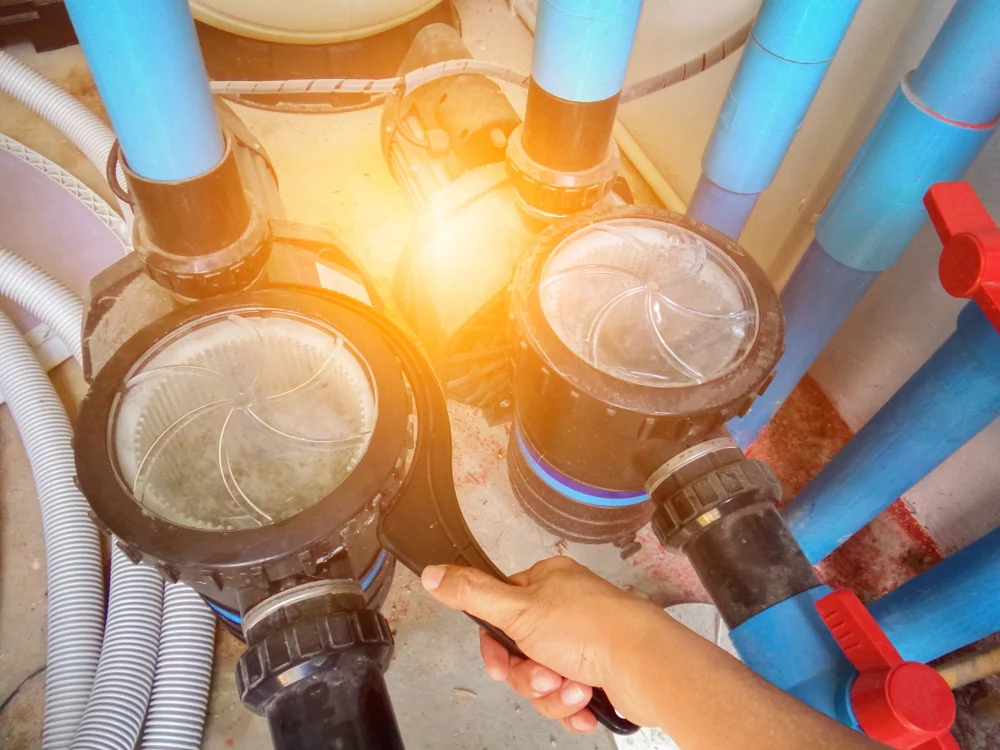
Today’s most common compliance-ready option is the variable speed pump, paired with controls that allow operators to adjust system demand throughout the day. Variable speed technology supports energy savings and improves long-term reliability, while also helping facilities comply with environmental regulations for pools by cutting unnecessary energy use. In contrast, older equipment like a single speed pump can draw more power than is truly needed.

Energy-focused rules also encourage facilities to evaluate relevant pool equipment such as filtration systems, heaters, and water treatment technology. When a pool pump runs at optimized speeds, it reduces strain on motors, which may extend warranty coverage and delay the need for a replacement motor.

Facilities that track electricity consumption often find that high-efficiency pumps reduce monthly utility charges; many manufacturers now build smart controls with energy-tracking dashboards to support audits and inspections.

Safety Regulations & Anti-Entrapment Standards

The Virginia Graeme Baker Pool & Spa Safety Act (VGB Act) is the most important federal law governing suction safety in commercial pools. The act requires:

  • Anti-entrapment drain covers
  • Secondary protection systems for single-drain pools
  • Pump shutoff technology that reacts to sudden suction changes
  • Safe installation practices for drains, sumps, and suction outlets

These standards apply to pools, spas, therapy tanks, and some hot tub systems. Proper compliance reduceshazards, supports public safety, and helps operators avoid fines or closures.

Water Turnover Rate & Flow Requirements

Turnover rules guide how fast water must circulate through a commercial pool’s filtration system. Most health departments recommend a turnover cycle of six hours or less for traditional commercial pools. However, higher-risk environments, such as therapy pools and hot tubs, often require much faster turnover rates.

To follow local codes, operators must match the flow capacity of the pump to the filtration equipment, including any advanced pool filtration systems the facility uses. Flow meters are essential for confirming real-time performance; if turnover is too slow, bacteria may multiply and water can become cloudy. Issues like these often lead to higher pool maintenance costs and possible shutdowns until water quality improves.

Monitoring & Maintenance Expectations

Daily and weekly operational tasks make it possible to keep pumps compliant. Commercial facilities rely on routine checks to confirm the pump is operating according to its performance curve. Typical compliance tasks include:

  • Flow testing
  • Inspecting bearings, seals, and drives for wear
  • Monitoring amperage and motors during high-use periods
  • Checking for air leaks in pool pumps
  • Logging all service activity for inspectors

Strong documentation shows that the facility follows commercial pool operation guidelines, reducing the likelihood of regulatory issues.

When to Upgrade or Replace Pool Pumps

Some commercial pumps fall out of compliance over time because they cannot support updated sanitation rules or energy standards. Common triggers for upgrades include:

  • Pumps installed before the 2021 DOE rules
  • Recurring failures
  • Difficulty meeting turnover or flow requirements
  • Rising energy costs
  • Aging pool equipment or leaking components

Many commercial operators now consider smart controls, automated flow adjustments, and remote monitoring tools to track performance, as these upgrades help maintain compliance with legal standards for pool operations and prevent downtime. Operators evaluating system age may also review guidance on how long pool pumps last.

When a facility upgrades its pumps, it often replaces outdated components with dedicated purpose pool pumps, booster pumps, or energy-efficient alternatives. Some installations also include waterfall pump systems for decorative water features or special commercial swimming pool design needs.

Partnering with a Water Treatment Expert for Compliance

Because regulations vary by location, facility type, and pool size, many operators seek support from experts who work with commercial compliance daily. Aqua Management Partners assists facilities with:

  • Full regulatory assessments
  • Pump selection and sizing
  • Variable speed programming
  • Maintenance planning
  • Documentation for inspections
  • Energy reduction strategies
  • System evaluations tied to environmental rules
  • Guidance on pool maintenance costs

Professional guidance from AMP helps large facilities navigate new regulations, water quality expectations, hazardous materials, and technology changes without any headaches or hassle.


aquamanagementpartners-inside-pool-1280x961.webp

Pool chemical storage regulations are in place for good reason: protecting lives, property, and the environment. Especially for commercial facilities, adherence to federal and state standards ensures worker safety, reduces the risk of chemical accidents, and maintains clean, healthy water for swimmers.

In this guide, we outline the essential safety, compliance, and operational best practices for pool operators, facility managers, and safety officers responsible for managing commercial pool facilities across the United States.

Understanding Common Commercial Pool Chemicals

Commercial pools rely on several key substances for pool water quality management, preventing harmful bacteria or algae. However, each chemical comes with unique hazards if mishandled or stored incorrectly.

Some of the most common commercial pool chemicals include:

  • Chlorine (liquid, granular, and tablet forms): a powerful oxidizer and disinfectant. It must be kept away from acids and flammable materials to prevent toxic fumes or fire.
  • Bromine: effective in hot water environments but can cause skin and eye irritation if not handled properly.
  • Muriatic acid: used for pH control but highly corrosive and reactive with chlorine products.
  • Sodium bicarbonate and cyanuric acid: stabilizers that support consistent water balance and sanitation.

To stay compliant, operators reference safety data sheets for pool chemicals (SDS) for detailed hazard, handling, and emergency information. SDS documents form the foundation of every facility’s chemical safety guidelines and training programs.

For more information on specific substances used in commercial environments, check out our detailed overview of the chemicals needed for commercial pools.

Federal and State Chemical Storage Requirements

Multiple agencies govern regulatory compliance for pool operators, each one addressing a different safety concern:

  • OSHA (Occupational Safety and Health Administration): The Hazard Communication Standard requires proper labeling, hazard identification, and employee training for chemical handling.
  • EPA (Environmental Protection Agency): Oversees regulations related to preventing chemical runoff, groundwater contamination, and improper disposal of hazardous waste.
  • NFPA (National Fire Protection Association): Publishes fire codes that specify storage distances for flammable and oxidizing chemicals.
  • State and local health departments: Enforce building codes and permit standards that require secondary containment, temperature control, and ventilation.

Together, these frameworks all work in tandem to protect staff and patrons while helping facilities avoid fines, closures, or any of the liability risks that come from non-compliance. Regular workplace chemical safety audits help support adherence to these standards.

Safe Storage Best Practices

Every commercial facility should follow chemical storage best practices designed to minimize risk and promote operational efficiency. The top tips include:

  • Segregate incompatible materials: Never store acids and chlorine-based chemicals together; the reactions can produce chlorine gas.
  • Use proper containment: Keep substances in original, corrosion-resistant containers with the lids tightly sealed.
  • Maintain ventilation and temperature control: Storage areas must be well-ventilated and kept between 50°F and 85°F to prevent degradation.
  • Avoid moisture exposure: Keep all stored pool chemicals in a dry, covered area away from direct sunlight and water sources.
  • Restrict access: Only trained staff should have the authority to enter chemical storage areas.

Facility managers are advised to perform regular risk assessment for chemical storage to identify any leaks, corrosion, or damage. When possible, it’s also recommended to install pool chemical storage solutions such as secondary containment trays, shelving for segregation, and locked cabinets.

Labeling, Signage, and Documentation

Clear documentation is critical for meeting chemical labeling requirements and ensuring safety during emergencies. Facilities must make sure that:

  • Every container displays a GHS-compliant label identifying the product name, hazard symbols, and manufacturer information.
  • Prominent swimming pool chemical hazard signs are posted near storage rooms, entrances, and restricted areas.
  • Safety Data Sheets (SDS) are always readily accessible to staff.
  • Up-to-date logs for chemical inventory management and chemical handling training for pool staff are maintained.

Proper labeling helps simplify compliance reviews, reinforcing safe handling practices during inspections or other high-stakes situations.

Spill Response and Emergency Preparedness

Even the most compliant facility can face accidents. That’s why emergency response planning for chemical incidents provides a quick, effective, and safe roadmap for reacting to any spills or exposures.

Be sure to follow these best practices:

  • Creating written chemical spill response procedures and posting them in visible locations.
  • Providing personal protective equipment for chemical handling such as gloves, goggles, aprons, and respirators near all storage areas.
  • Installing eyewash stations and safety showers accessible within 10 seconds of chemical use zones.
  • Regular drills to train staff on emergency response training for chemical incidents.

Facilities should also establish chemical spill containment methods—such as absorbent pads and neutralizers—in order to limit spread and reduce environmental harm.

Inspections and Compliance Audits

Routine inspections are necessary for maintaining compliance and preventing incidents. Pool operators should schedule workplace chemical safety audits at least monthly, with more frequent internal reviews during high-use seasons.

During audits, always verify that:

  • No containers are leaking or corroded.
  • All chemical containers are properly labeled and sealed.
  • Storage areas remain clean, organized, and compliant with ventilation requirements.
  • SDS documentation and compliance checklists for pool operators are current.

If an inspector happens to identify a violation, corrective action should be taken immediately; delays increase your liability and potential regulatory penalties.

Partnering with a Commercial Pool Management Company

For many facilities, partnering with a professional management provider is the simplest way to maintain ongoing compliance. A qualified partner like Aqua Management Partners (AMP) provides:

  • Expert guidance on hazardous materials management and hazardous material handling procedures.
  • Routine compliance audits aligned with OSHA, EPA, and local health codes.
  • Support with emergency response planning, documentation, and chemical inventory management.
  • Staff training programs emphasizing pool chemical safety tips and proper PPE use.

Safe, compliant facilities not only protect employees and swimmers but also preserve the reputation of the organizations operating them. By outsourcing compliance oversight, facility managers and safety officers can focus on operations while maintaining a safe, compliant pool environment.


luxury-pool.jpg

Determining the number of gallons in your commercial pool isn’t just another math problem; it’s a cornerstone of safe, efficient, and compliant water management.

Knowing your exact pool volume helps you apply the right chemical dosages, maintain proper water balance, and optimize filtration. In commercial facilities, where hundreds of swimmers may use the pool each day, even the smallest miscalculations can lead to wasted chemicals, dangerous conditions, or regulatory issues.

By contrast, precise measurement supports better water clarity, improved safety, and reduced maintenance downtime — keeping operations compliant and guests satisfied. In this guide, we’ll cover the ins and outs of calculating commercial pool volume to help you keep your facility running smoothly.

Factors That Affect Pool Volume

Pool volume calculation depends on several physical characteristics, such as shape, depth, and slope. Each of these factors influence how much water your pool holds:

  • Pool shape – Rectangular, circular, oval, and irregular (freeform) pools each require different formulas. Commercial facilities often use rectangular or L-shaped designs for lane swimming or therapy, which are easier to measure accurately.
  • Average depth – Because most pools have shallow and deep ends, measuring both is critical. Use this formula to determine average depth: (Shallow End + Deep End) ÷ 2.
  • Accurate measurements – Always measure length, width, and depth in feet for consistent results. Rounding or guessing measurements can lead to chemical miscalculations or inefficient filtration settings.

Accurate dimensions allow you to estimate surface area, cubic foot volume, and total gallons — all vital data for proper pool water management.

Step-by-Step Pool Volume Calculation by Shape

As each swimming pool shape requires a unique formula for water capacity, choose from these proven methods below to calculate gallons for your type of pool:

Square or Rectangular Pools

Formula: Length × Width × Average Depth × 7.5 = Gallons

Example: A 50 ft × 25 ft pool with an average depth of 5 ft = 50 × 25 × 5 × 7.5 = 46,875 gallons.

Circular Pools

Formula: Diameter × Diameter × Average Depth × 5.9 = Gallons

Example: A 30 ft diameter pool with a 4 ft average depth = 30 × 30 × 4 × 5.9 = 21,240 gallons.

Oval Pools

Formula: Length × Width × Average Depth × 6.7 = Gallons

Example: A 60 ft × 30 ft pool with an average depth of 6 ft = 60 × 30 × 6 × 6.7 = 72,360 gallons.

Irregular or Freeform Pools

Divide the pool into geometric sections (e.g., rectangles, circles). Measure and calculate each section’s volume, then add them together.

For faster results, many facility managers use a pool volume calculator app or online pool capacity calculator to double-check their manual math. Tools like these are particularly useful for complex pools or when precise dosing is needed for compliance testing.

Special Considerations

Commercial pools often come with attached spas, beach entries, or sloped floors, which can all affect total water volume. Here’s how to handle those variables:

  • Sloped floors: Measure both ends and use the average depth formula.
  • Attached spas or wading sections: Calculate each separately, then add to the total pool gallons.
  • Unique shapes or asymmetrical designs: Consult architectural blueprints or digital modeling tools for precise measurements.

Whenever the pool design entails waterfalls, surge tanks, or other interactive features, it’s best to have a professional pool technician or water management specialist verify your final calculation.

Why Accurate Gallon Calculations Matter for Pool Maintenance

Exact calculation of gallons has a direct impact on every aspect of pool operation. Here’s why it matters:

  • Chemical dosing: Sanitizers, pH adjusters, and shock treatments must match your pool’s actual water volume. Overdosing wastes money and risks corrosion; underdosing invites bacteria and algae.
  • Efficient filtration: Correct flow rates depend on accurate water volume to prevent system strain and maintain circulation standards.
  • Water quality control: Balanced water reduces turbidity, extends equipment life, and supports swimmer comfort.

For commercial operators, accurate calculations also streamline your compliance with health codes and facility audits. When paired with quality commercial pool chemicals, these measurements help maintain consistent sanitation levels and meet public safety regulations.

Professional Support for Pool Water Balance

Even with precise calculations, chemical balance requires ongoing monitoring and adjustment; seasonal temperature shifts, swimmer load, and evaporation all alter your pool’s water chemistry.

That’s where Aqua Management Partners can help. Our specialists verify pool volume, test chemical balance, and create custom treatment plans for commercial facilities. When you schedule a professional water analysis with us, you can feel confident knowing that your pool will be clean, clear, and compliant — all year long.


ROCK HILL

Headquarters

1880 Langston St.

Rock Hill, SC 29730
(803) 980-4AMP (4267)

AquaManagementPartners.com

Contact Us

OUR MISSION

We create customized solutions for superior water management

Aqua Management Partners is owned by PurAqua Products. We are an ISO9001:2014 GLOBAL manufacturer of Accu-Tab® Acid-Rite® Water pH adjustment Systems. We are also part of the Paddock Group of FAMILY owned businesses. As such, we are able to draw on the services of our strategic partners in order to provide the best solutions to our customers. We are uniquely qualified to handle commercial pool issues from drains to decks and pump rooms to controllers, and everything in between.

Please note that our Company will never request changes to our banking information or mailing or remittance address via email. If you ever receive an email requesting a change to our banking information or mailing addresses, please do not respond and notify us immediately via our main telephone number.

Copyright © Aqua Management Partners, LLC. All Rights Reserved


GET IN TOUCH

Follow Our Activity

Stay up to date on the latest information, pictures, events, etc.