Best Ways to Get Rid of Algae in Your Commercial Pool
Algae are more than just an eyesore—they pose serious risks to water quality, swimmer safety, and operational costs. In commercial settings, where health standards are non-negotiable, even minor algae issues can result in shutdowns or failed inspections. From slippery pool surfaces to murky pool water, the consequences of unchecked algae growth are clear. Knowing the best way to get rid of algae in pool environments is essential for any facility manager.
When algae take hold, they compromise visibility, create slimy surfaces that increase slip-and-fall risk, and clog filtration systems. Left untreated, algae blooms can stain the pool surface, reduce chemical efficacy, and drastically increase pool maintenance needs. In short, proactive prevention and rapid treatment are not just best practices; they’re requirements for regulatory compliance, guest safety, and brand trust.
For commercial facilities, the stakes are even higher. Hotels, community centers, athletic clubs, and resorts depend on positive user experiences and health department approvals. An outbreak of green pool algae or a recurrence of mustard algae can easily lead to temporary closures and damage public perception. Regular inspections and a comprehensive pool care plan must be in place year-round to ensure ongoing compliance.
Identifying Algae Types and Severity Levels
Algae problems aren’t one-size-fits-all. Different types of algae pose unique challenges in terms of visibility, chemical resistance, and location within the pool. Recognizing what kind of algae you’re dealing with—and how far it’s spread—is the first critical step toward choosing the right treatment and stopping it from coming back.
There are three main types of pool algae, each requiring a different approach:
- Green algae: The most common form. It turns your pool water green and spreads quickly. This type floats freely, making water appear cloudy or murky. If caught early, it’s fairly easy to eliminate with standard chlorine shock treatments and brushing. Left unchecked, it can coat the floor and walls of the swimming pool, clog filters, and make the pool surface dangerously slick.
- Mustard algae (or yellow algae): Clings to pool walls, ladders, and even floats. It’s often mistaken for sand or dirt due to its yellow-brown coloration. It resists normal chlorine levels and often returns after initial treatment unless the entire pool is thoroughly sanitized, including accessories and suits. It typically grows in shaded areas and requires repeated, targeted treatment.
- Black algae: The most stubborn type. It roots itself deep into plaster and concrete surfaces, forming dark, blue-black spots that are tough to scrub out. Its protective layer of slime makes it resistant to chemical penetration, requiring scrubbing, high chlorine dosing, and often multiple treatments. These spots often reappear if not fully eradicated, making it a persistent threat.
Severity matters: a light film or discoloration signals early-stage growth, a full green pool suggests an aggressive algae bloom, and dark specks or streaks may indicate a biofilm embedded in the pool’s surfaces.
Each stage escalates treatment complexity and response time. The longer algae are left unchecked, the harder they are to eliminate. That’s why early detection, accurate identification, and a tailored response plan are essential to maintaining a safe, compliant, and algae-free pool environment—especially in commercial facilities where downtime isn’t an option.
Algae Treatment Methods
Once you’ve identified the type and extent of algae affecting your pool, the next step is targeted treatment. Successful algae removal depends on combining the right chemical approach with mechanical cleaning and water circulation. Each method—shock treatment, algaecide use, and physical scrubbing—plays a role in fully eliminating algae and preventing future blooms.
Shock Treatment (Oxidation and Sanitization)
To eliminate most algae, you’ll need a pool shock. This involves adding large amounts of chlorine (or a non-chlorine oxidizer) to raise the chlorine level beyond the “breakpoint” threshold where it can destroy organic contaminants.
- Aim for chlorine levels around 10 ppm to oxidize algae spores effectively. For black algae, levels as high as 30 ppm may be needed.
- Shock the pool at dusk to minimize chlorine degradation by sunlight.
- Keep the pool pump running continuously for 24-48 hours post-treatment to ensure full circulation.
- Brush pool walls, corners, steps, and floor thoroughly before and after shocking. Allow 30-60 minutes for circulation before vacuuming debris.
- Test chlorine and pH levels before reopening the swimming pool to users.
CDC guidance supports this approach for eliminating microbial threats in pool water, reinforcing shock treatment as the frontline defense. While shocking is highly effective, it works best when paired with regular filtration, thorough brushing, and chemical monitoring to ensure algae don’t return.
Use of Algaecides
Algaecides are chemical compounds designed to specifically kill algae and prevent future outbreaks. They’re often used as a preventive measure, but they can also support post-shock cleanup, especially for persistent or chlorine-resistant strains.
There are two primary categories:
- Quaternary ammonium compounds (quats): Work well against green algae. They’re non-metallic and typically low-foaming.
- Copper-based or polyquat algaecides: These are more effective for mustard algae and black algae, due to their longer-lasting residual protection and broader spectrum efficacy.
Best Practices:
- Apply algaecides after shocking, never before, to prevent chlorine from neutralizing the formula.
- Allow algaecide to circulate for at least 12 hours.
- Monitor water chemistry after treatment to ensure compatibility with other pool chemicals.
- Choose non-foaming options for commercial pools to avoid surface residue.
- Regularly rotate algaecide types to prevent resistance.
Pool & Hot Tub Alliance recommends pairing algaecides with proactive brushing and sanitization as part of an integrated algae control plan. Using algaecides strategically, in tandem with other treatment methods, helps build a multi-layered defense that keeps algae from reestablishing in your commercial pool.
Thorough Scrubbing & Filtering
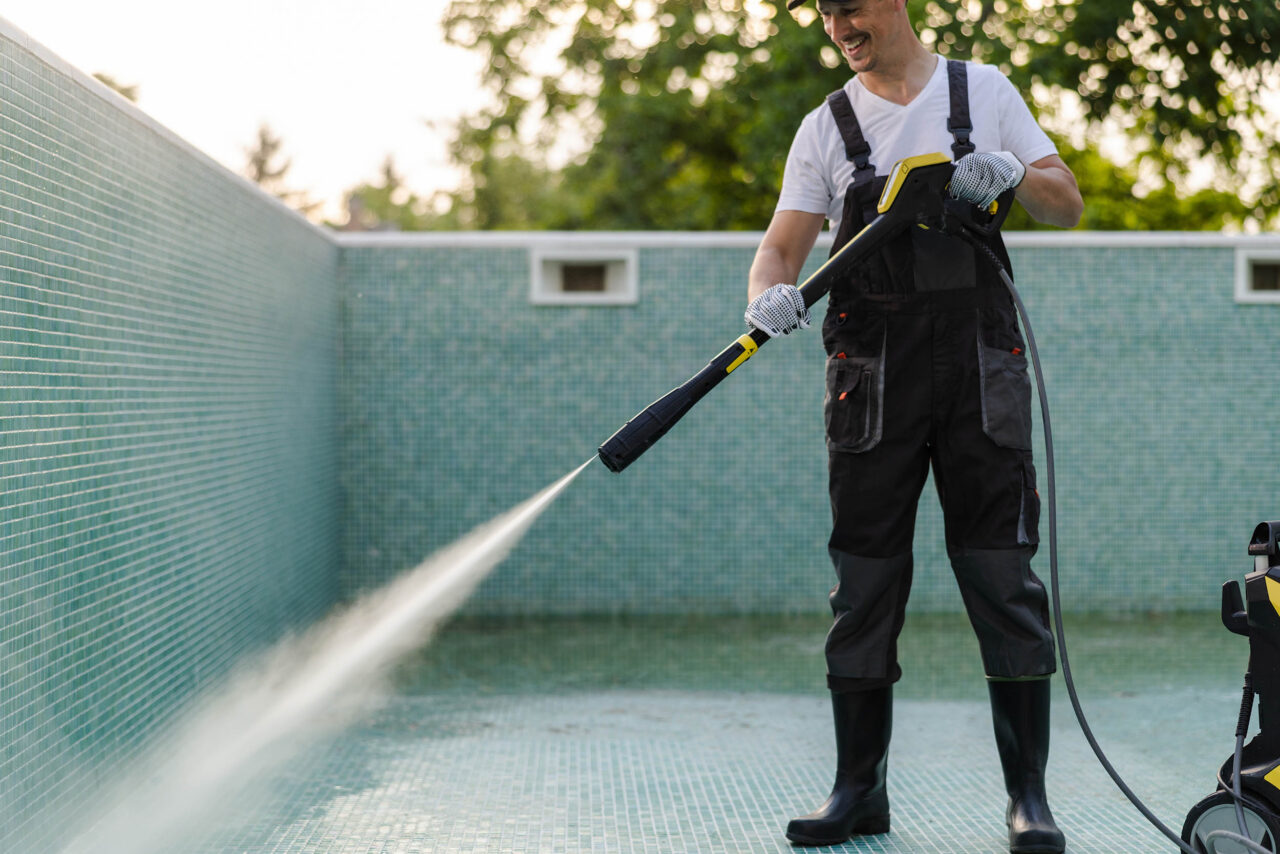
Regardless of the chemical treatment, physical cleaning is non-negotiable. Algae often hide in corners, tile grout, and behind ladders.
- Use the appropriate brush: stainless steel for concrete pools and nylon for vinyl or fiberglass.
- Scrub all pool walls, floor seams, and fixtures.
- After brushing, vacuum the pool to remove dead algae and biofilm remnants.
- Backwash the pool filter or clean cartridges thoroughly.
- For severe algae blooms, replacing filter media or deep-cleaning with trisodium phosphate may be necessary.
- Inspect hard-to-reach areas like skimmers, light niches, and return lines.
These steps physically remove algae spores and reduce regrowth potential. Without thorough cleaning, chemical treatments may only offer temporary relief. In commercial settings, this kind of hands-on maintenance is essential not just for visual clarity, but for meeting safety standards and avoiding operational disruptions.
Optimizing Filtration to Prevent Algae Recurrence
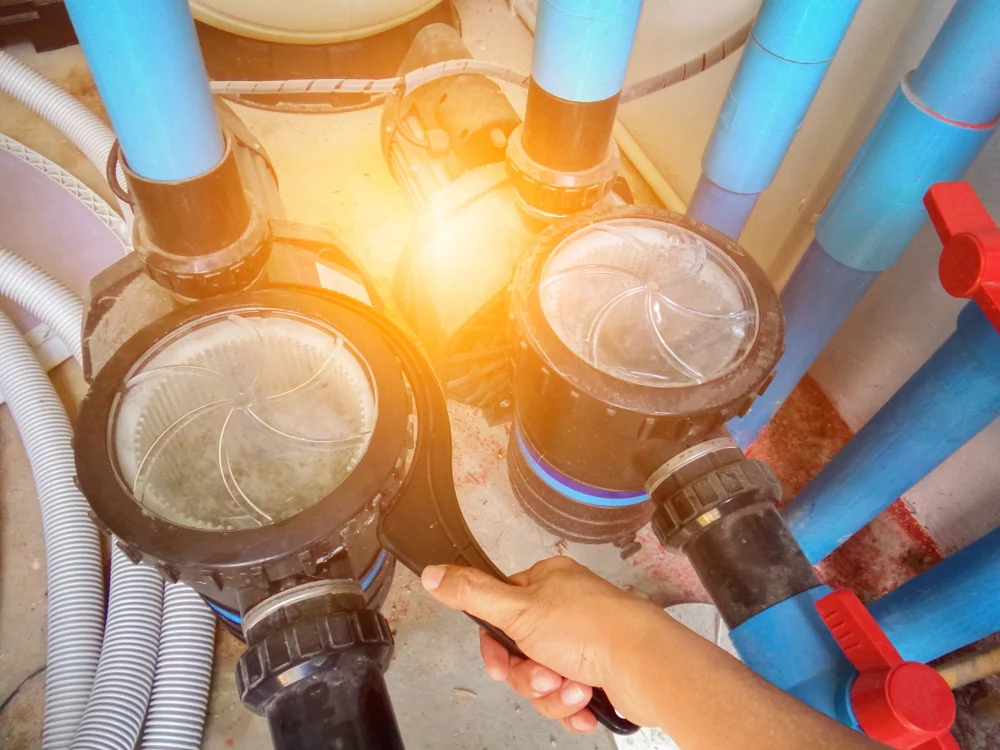
An efficient filtration system is your first line of defense against future algae growth. Inadequate filtration allows spores to linger and multiply. Without consistent flow and proper filtration, even trace amounts of organic debris or microscopic algae spores can quickly trigger regrowth—especially in high-use commercial pools where contamination risk is elevated.
- Run the filter a minimum of 12 hours per day in warmer months; more if bather load is high.
- Check the turnover rate to ensure all pool water circulates at least once every 8 hours.
- Skim floating debris and empty skimmer baskets daily to reduce organic load.
- Schedule quarterly maintenance for deep cleans of sand, cartridge, or DE filters.
- Upgrade to high-efficiency filters with finer micron capabilities.
- Consider advanced solutions like UV-C light systems or ozone sanitizers to kill pathogens and inhibit algae without adding more chemicals.
- Monitor pressure gauges and flow rates to detect clogs or wear.
Proactive filtration not only controls algae but also extends equipment lifespan and ensures water clarity. Investing in a high-performing filtration system is one of the most cost-effective ways to ensure long-term water quality, reduce emergency maintenance, and protect the integrity of your entire pool infrastructure.
Maintaining Proper Water Chemistry
Chemistry controls everything. It’s the foundation of a safe, crystal-clear pool environment and the most reliable way to keep algae at bay before it takes root.
Maintaining balanced pool water deters algae and protects users:
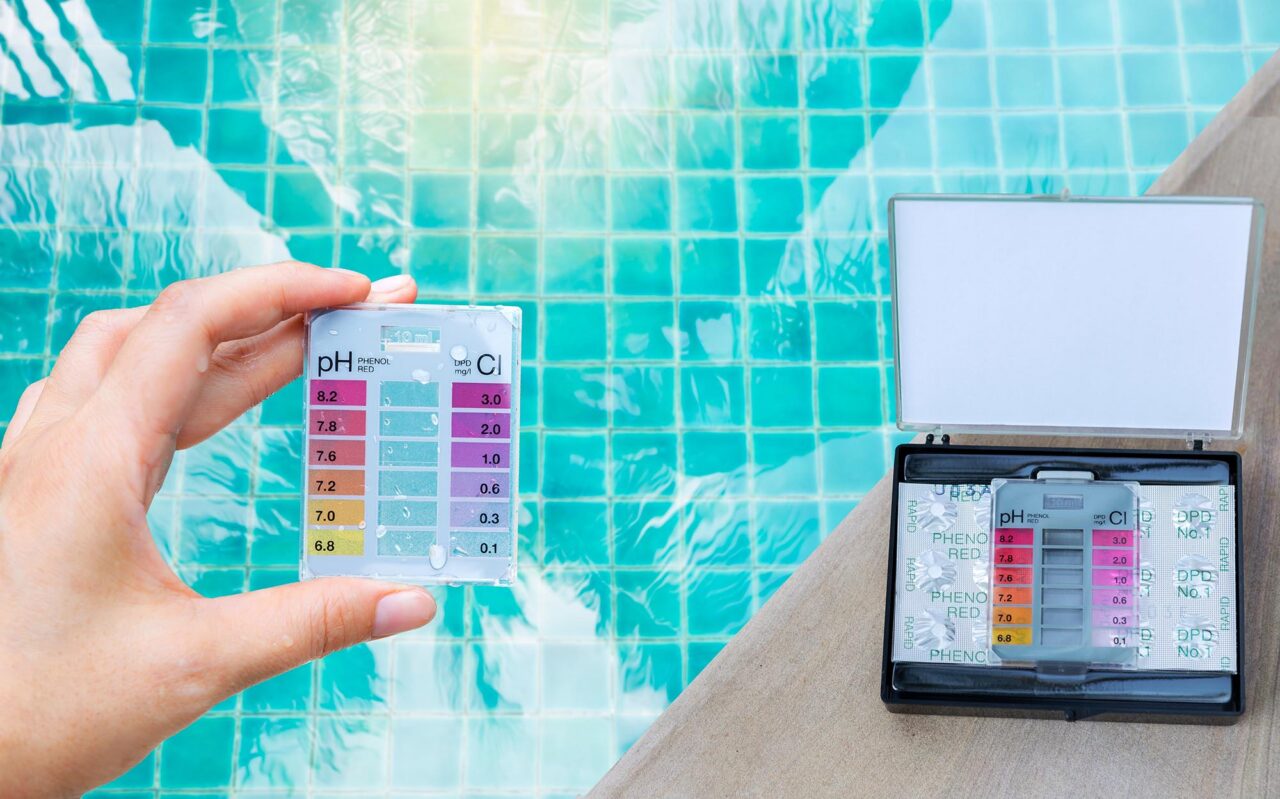
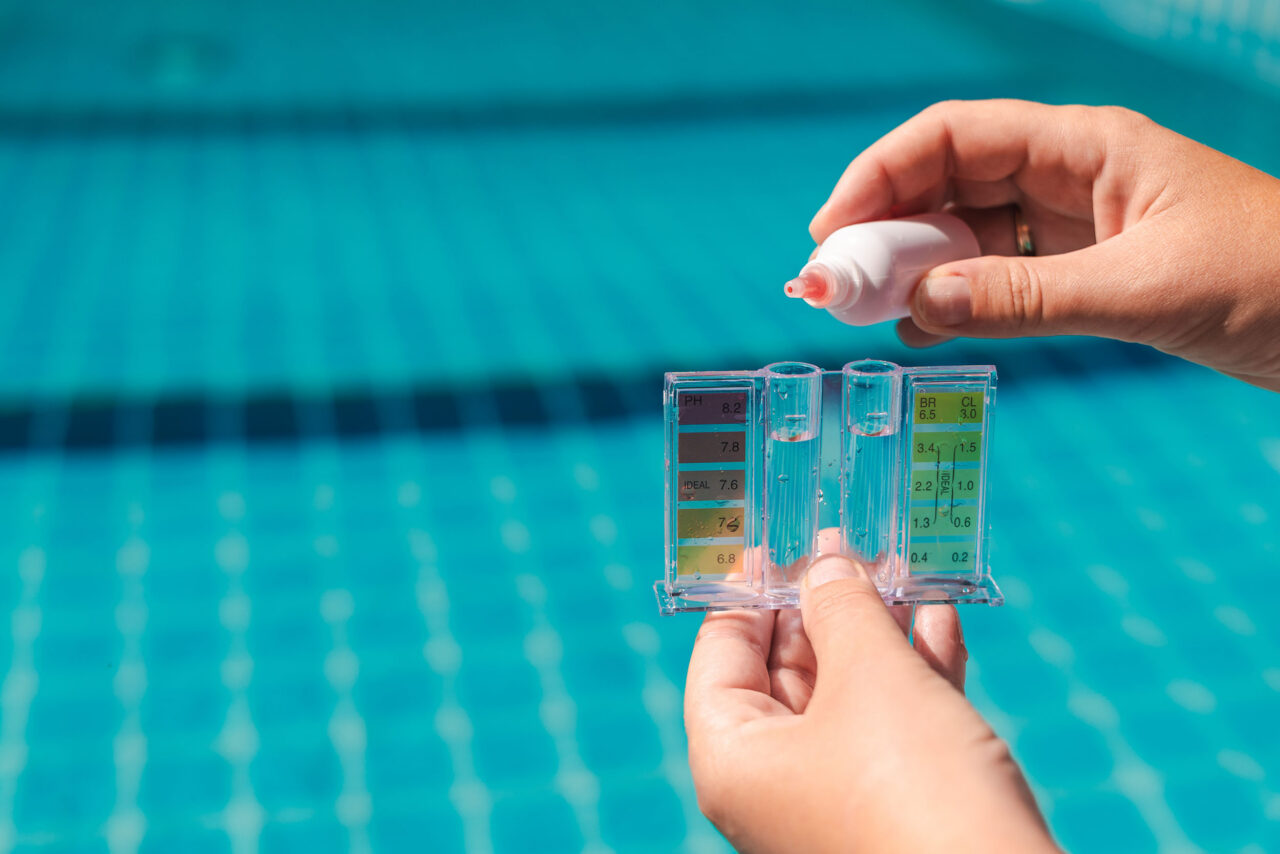
- pH: Ideal range is 7.4–7.6. Too high, and chlorine effectiveness drops.
- Chlorine: Keep free chlorine between 1.0 and 3.0 ppm. Adjust for bather load and temperature.
- Cyanuric acid (CYA): 30–50 ppm to shield chlorine from sunlight.
- Calcium hardness: Maintain at 200–400 ppm to protect surfaces and balance.
- Total alkalinity: Keep within 80–120 ppm to prevent pH drift.
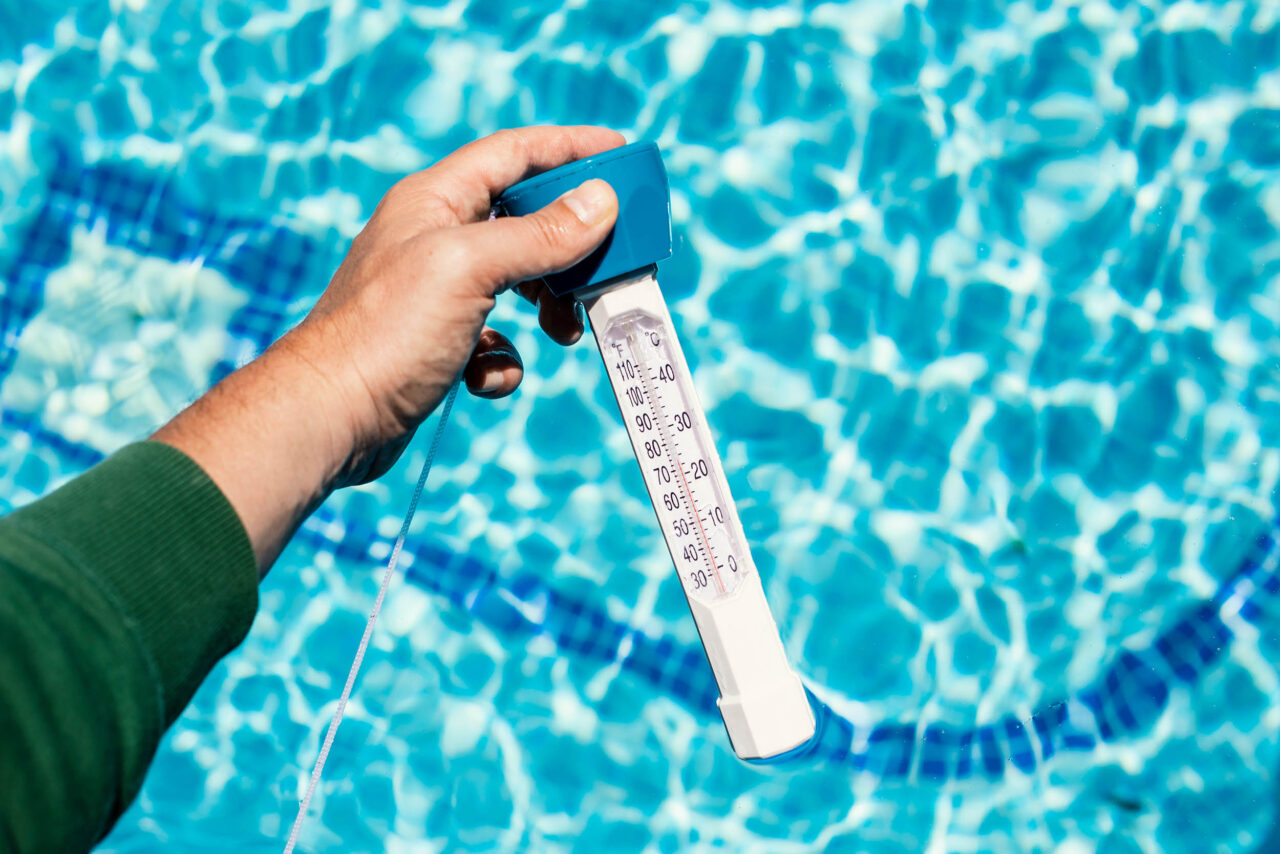
Test chemistry at least 2–3 times per week, or daily in busy facilities. Use digital testers or smart monitoring systems for accuracy. By streamlining testing and corrections, these tools help facilities stay ahead of imbalances that might otherwise lead to unsightly or unsafe algae growth.
Nutrient control is equally important:
- High phosphate and nitrate levels fuel algae growth.
- Treat with phosphate removers if levels exceed 200 ppb.
- Shock the pool after rainstorms to neutralize organic contaminants.
- Avoid introducing fertilizers or organic matter near the swimming pool area.
NSPF recommends strict adherence to these ranges to avoid algae blooms and chemical inefficiencies. Staying within recommended levels doesn’t just improve water clarity—it supports overall system health, protects swimmers, and reduces the long-term cost of chemical corrections.
Routine Cleaning and Preventive Maintenance
Prevention beats reaction. By staying ahead of organic buildup, you reduce the need for intensive treatments and avoid the costly cycle of recurring algae problems.
Make cleaning a habit, not a chore:
- Daily: Skim debris, monitor clarity, and verify water level.
- Twice weekly: Brush all surfaces and vacuum thoroughly.
- Weekly: Test and balance pool chemical levels.
- Biweekly: Check and clean return jets, skimmers, and baskets.
- Monthly: Inspect lights, tiles, and ladder bases for early algae signs.
- Seasonally: Conduct deep filter cleanings and inspect seals and gaskets.
Train staff on recognizing signs of algae growth early—discoloration, film, or slipperiness are early red flags. Log all maintenance activity to track trends and prevent recurrence. A well-documented and consistently followed routine not only helps identify trouble spots early—it also provides valuable records for inspections, audits, and long-term performance evaluations.
Preventive Measures for Long-Term Algae-Free Pools
Treating algae is important but preventing it entirely is even better. Commercial pool operators who implement long-term prevention strategies enjoy clearer water, lower chemical usage, and fewer operational disruptions. The key is consistent system monitoring combined with smart investments in automation and sanitation upgrades.
For long-term success, invest in automation and infrastructure:
- Install automatic dosing pumps for chlorine and pH.
- Use real-time water monitoring systems connected to your mobile device.
- Integrate secondary disinfection like UV or ozone.
- Cover the pool during non-use hours to limit debris and sunlight exposure.
- Audit pool water quarterly with a third-party service.
- Schedule annual professional inspections of equipment and plumbing.
- Keep detailed records of chemical use and treatment history.
Consistent circulation, testing, and coverage are your best defenses against returning algae. When these tools and habits are used together, they form a proactive algae defense system that reduces surprises, supports health compliance, and keeps your pool looking its best all year long.
Boosting Clarity and Compliance Metrics
Maintaining water clarity is a crucial indicator of effective pool management. For commercial facilities, clear water reflects strong operational practices, supports regulatory compliance, and enhances the overall guest experience.
Clear pool water doesn’t just look great—it builds trust:
- Comply with all local health and safety codes.
- Impress inspectors and maintain operational licenses.
- Create a welcoming environment that enhances guest loyalty.
- Lower overall chemical costs with more efficient water management.
- Reduce unscheduled downtime and emergency cleanings.
Algae-free pools also prevent long-term damage to plaster, liners, heaters, and filters, increasing ROI and customer satisfaction. Patrons judge facilities by appearance. Maintaining clarity through algae prevention makes a powerful first impression. Consistent clarity shows guests, regulators, and staff that your pool is cared for—and that confidence pays off in loyalty, reputation, and reduced long-term costs.
When to Call Professionals like Aqua Management Partners
Even the most seasoned operators sometimes need help. When should you bring in professional support?
- Black algae remains after multiple treatments
- Green pool recurs within a week despite shock and vacuuming
- Dead algae clogs the pool filter or returns quickly after cleaning
- Equipment shows signs of biofilm or inefficiency
That’s where Aqua Management Partners comes in:
- Full-service commercial pool services tailored to each facility
- Deep-cleaning and filtration optimization
- Chemical analysis and automation recommendations
- Staff training on early detection and weekly care
- Long-term protocols and inspections
We also provide premium commercial pool chemicals tested for reliability and compatibility. Our experts offer practical strategies and seasonal scheduling to reduce algae risks year-round.
To keep your swimming pool safe, clean, and guest-ready, schedule an algae assessment or maintenance visit today.