
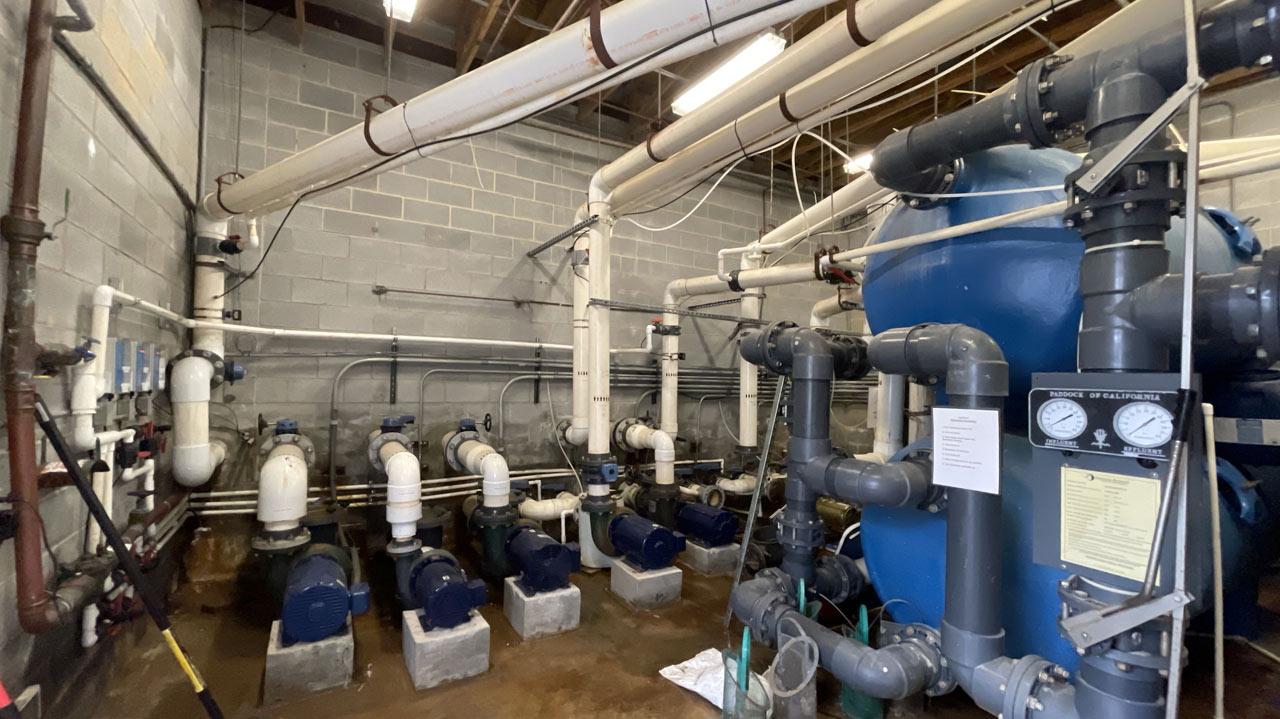
How Long Do Commercial Pool Pumps Last?
For commercial facilities, a reliable pool pump is the lifeline of the entire circulation system. Pumps keep thousands of gallons of water moving through filters, heaters, and sanitizers every day. Without them, water quality suffers, safety risks rise, and costly downtime becomes inevitable.
So, how long do commercial pool pumps last? On average, they run effectively for 5–10 years depending on how they’re installed, maintained, and operated. That range is shorter than most residential pumps because commercial systems face heavier demand and stricter compliance requirements. By understanding what shortens pump life — and what extends it — operators can protect budgets, improve efficiency, and reduce emergency repairs.
Average Lifespan of a Commercial Pool Pump
The pool pump lifespan depends on whether it’s used in a residential or commercial setting. Homeowners often see pumps last 8–12 years with moderate use; by contrast, pumps in hotels, universities, fitness centers, or community swimming pools typically need replacing in 5–10 years.
Several realities can explain this gap:
- Higher workload: Commercial pumps may run continuously to handle large volumes of pool water circulation.
- Environmental exposure: Many commercial pumps operate outdoors, where weather extremes and debris take a toll.
- Stricter regulations: Commercial operators must meet codes that often mean higher filtration rates and longer run times.
For the typical pool owner managing a residential setup, replacement decisions are simpler and less urgent. But for commercial operators, the stakes are higher, making pump longevity a business-critical issue. Facilities operating 24/7 — such as resorts or waterparks — may see pumps wear out on the lower end of the range, especially if maintenance isn’t consistent. However, facilities that invest in regular inspections, lubrication, and timely repairs often extend beyond the 10-year mark. In many cases, lifespan depends less on the brand and more on whether best practices are followed.
Factors That Influence Pump Longevity
Several factors determine whether commercial pool pump durability trends upward or downward:
- Operational hours: Pumps that never rest inevitably wear out faster, especially when oversized demands push motors to their limits.
- Water chemistry: Imbalanced water corrodes metal components and damages seals. Maintaining proper pH, alkalinity, and sanitizer levels is integral to durability.
- Maintenance quality: A simple schedule — inspecting bearings, lubricating moving parts, and checking seals — can add years of use.
- Pump sizing: Undersized pumps work harder to move water, leading to premature failure. Oversized pumps waste energy and strain circulation systems.
- Environment: Outdoor pumps exposed to high humidity, fluctuating temperatures, or debris will degrade more quickly than those in controlled rooms.
- Technology: Facilities using variable speed pumps or energy-efficient pool pump models often benefit from reduced wear, lower energy costs, and extended service life.
The health of related pool equipment — such as heaters, skimmers, and cleaners — also plays a role. A clogged pool filter forces the pump to strain, shortening its lifespan.
Types of Commercial Pool Pumps
Understanding the different pool pump types helps facilities pick the best option for efficiency and life expectancy:
- Single-Speed Pumps: These pumps operate at one constant speed, regardless of demand. While inexpensive to purchase, they consume more energy, generate more heat, and tend to fail sooner. Many jurisdictions are phasing them out in favor of efficient models.
- Two-Speed Pumps: These allow operators to toggle between high and low settings. High speed supports backwashing or peak filtration, while low speed covers off-peak circulation. By reducing continuous strain, they help extend lifespan and lower costs.
- Variable-Speed Pumps (VSPs): Advanced units that automatically adjust motor speed based on demand. VSPs significantly improve pool pump efficiency, operate more quietly, and reduce long-term operating costs. Their ability to limit unnecessary stress makes them the most durable option.
- Specialized Pumps: Certain commercial environments require specialized solutions — such as high-flow pumps for waterparks, booster pumps for spas and fountains, or chemical-resistant pumps where heavy dosing systems are used. Even facilities that also manage a hot tub often rely on a separate circulation pump designed to handle higher temperatures and chemical levels.
With the right pump, operators can balance upfront costs with operating efficiency and long-term reliability.
Signs a Commercial Pool Pump May Be Failing
Recognizing early signs of trouble is essential, as ignoring small problems often leads to costly replacements later on:
- Unusual noises: Grinding, screeching, or rattling can signal worn bearings or motor issues.
- Electrical problems: Pumps that frequently trip breakers or overheat may have failing windings or motor faults.
- Flow reduction: Noticeably weaker circulation can indicate clogged impellers, failing motors, or air leaks in suction lines.
- Leaks: Water pooling near the base or dripping around seals points to deteriorating gaskets.
- Energy spikes: Rising bills may reflect declining efficiency. Older pumps or poorly maintained motors use more power to deliver the same results.
- Electrical problems: Pumps that frequently trip breakers or overheat may have failing windings or issues with the pool pump motor.
Operators should treat these issues as early warnings. A thorough commercial pool pump troubleshooting guide can help diagnose causes, but professional input is often the fastest way to prevent downtime.
How to Extend the Life of a Commercial Pool Pump
Proactive care is the most cost-effective way to lengthen lifespan. Some of the best practices include:
- Preventive maintenance programs: Schedule inspections every few months. Clean strainers, lubricate moving parts, and ensure proper water flow.
- Balance water chemistry: Protect internal metals and seals by monitoring pH, alkalinity, and sanitizer levels daily.
- Timely part replacement: Replace seals, bearings, and impellers before complete breakdown. These small fixes can prevent motor burnout.
- Leverage automation: Smart controllers and variable speed pool pumps adjust motor output, reducing unnecessary wear.
- Professional oversight: Relying on commercial pool services ensures consistent care and early detection of hidden issues.
Taking these steps protects against downtime, lowers commercial pool maintenance costs, and helps pumps reach or exceed their expected lifespan.
When to Repair vs. Replace a Pump
Every facility eventually faces the age-old question: fix or replace? Here’s how to decide:
- Repair is often suitable when issues are minor. Replacing a worn seal, cleaning an impeller, or addressing electrical components can restore performance. Pumps with a healthy swimming pool filter system often benefit most from these minor fixes, since the pump isn’t straining unnecessarily.
- Replace when costs climb. If repair bills approach 50% or more of a new pump’s price, or if the pump is past eight years with recurring failures, replacement makes more sense. New equipment is not only more reliable but also compliant with updated DOE and ENERGY STAR standards.
It’s also important to weigh energy efficiency; a new energy-efficient pool pump can pay for itself through utility savings, especially in facilities running equipment 12–24 hours a day. More than avoiding failure, replacement is also about maximizing return on investment.
The Role of Proper Sizing and Technology
The wrong pump size can shorten life expectancy by years; an undersized pump strains to meet circulation requirements, while an oversized one wastes energy and stresses plumbing. Ultimately, correct sizing ensures optimal flow, reduces strain, and delivers better ROI.
Modern technology adds another layer of value — facilities choosing energy-efficient pool pumps or variable speed pump models enjoy reduced stress on motors, quieter operation, and compliance with emerging codes. Professional sizing and installation make sure that these benefits are fully realized.
Partnering With Expert Technicians for Repairs
So, once again: how long do commercial pool pumps last? The answer is typically around 5–10 years, but proactive facilities can push that range higher with consistent maintenance, proper sizing, and technology upgrades.
For many operators, partnering with experts like Aqua Management Partners is the most effective strategy. Professional technicians provide preventive and predictive maintenance, handle pool pump repair, and guide replacement decisions. They also help facilities navigate regulatory compliance, improve energy management, and maintain guest satisfaction with ease.
By working with AMP, commercial facilities not only extend pump life but also streamline operations, reduce downtime, and make smarter equipment investments. Explore how AMP’s commercial pool services can support your team year-round.