
For commercial pools, what is the ideal pool temperature? The most suitable pool temperature depends on who’s using the water and why; hotel pools, lap pools, therapy pools, competition swimming pools, all-weather pools, and spas all demand different settings.
Pool temperature significantly shapes comfort, safety, energy use, pool water balance, and equipment life. Warmer water feels more inviting for families, while colder water suits intense swimming since an active swimmer builds up heat.
Ultimately, the goal is to find the sweet spot for your facility. Read on for our temperature recommendations by pool type. For further guidance, see our commercial pool water management resources.
General Recommendations for Pool Temperature
For many commercial settings, the perfect swimming pool temperature falls in the upper 70s to mid-80s Fahrenheit. Competition and lap pools tend to run cooler, while recreational, therapy, and senior living pools require warmer water.
U.S. Masters Swimming notes that competition pools are set from 77°F to 82°F. For warm water exercise, the Arthritis Foundation recommends pools at 83°F to 90°F. These pool water temperature guidelines are a good starting point, but they should be carefully adjusted for users, programming, and energy goals.
Ideal Pool Temperature by Commercial Pool Type
Hotel and Resort Pools
Hotels and resorts are all about comfort. Guests want pool water that feels inviting for family swim and leisure, so outdoor settings need to reflect seasonal changes in pool temperature as sunlight, wind, overnight cooling, and air temperature affect water temperature.
Indoor pools strive to strike a balance between swimming pool temperature, room temperature, ventilation, and humidity. When that mix is off, guests notice heavy air or condensation.
Fitness and Lap Pools
Fitness and lap pools are frequently cooler than leisure pools. The recommended temperature range for lap swimming is around 77°F to 82°F, since cooler water prevents overheating during workouts.
The effects of pool temperature on the swimming experience are pronounced. Too warm, and lap swimmers tire out; too cool, and casual swimmers stay clear of the pool.
Competition and Athletic Pools
Pool temperature for competitive swimming typically stays colder since athletes create more body heat. Ahead of meets and training, accurate sensors and reliable pool temperature control systems help avoid surprises.
Therapy Pools and Senior Living Pools
Pool temperature for therapy runs warmer than fitness water. Warm water lets swimmers move comfortably during low-impact exercise, especially with stiffness or limited mobility.
While a warmer temperature can improve comfort, it also raises sanitizer demand.
That’s why water testing and oversight should always be top priorities.
Spas and Hot Tubs
Temperature preferences for hot tubs are far different than standard pools, as hot tubs and spas run hotter for short soaking, relaxation, and therapy. However, CDC guidance says that hot tub water should never exceed 104°F, and operators should check disinfectant and pH levels regularly.
Factors That Influence the Right Pool Temperature
Pool Usage and Activity Level
Recreational swimming, lap swimming, water fitness, lessons, and therapy each call for unique settings. Pool temperature for children might need to be warmer than a lap pool, especially when kids are still learning to swim. To make things easier, operators can follow a programming calendar to avoid constant adjustments.
Indoor vs. Outdoor Pool Environment
Of course, the impact of weather on pool temperature is more noticeable outdoors. Sun, clouds, wind, and overnight lows have the potential to shift pool water temperature swiftly. Weather-resistant pool heating, pool covers, and solar pool heating solutions help reduce heat loss.
Indoor pools need to coordinate water temperature, air temperature, HVAC, and dehumidification simultaneously. The Department of Energy notes that evaporation is a primary source of pool energy loss, with pool covers able to reduce heating costs.
Bather Load and Facility Traffic
A busy pool behaves differently later in the day than it does right at opening time. Sweat, sunscreen, dirt, and heavy traffic can significantly shape sanitizer demand and comfort. Smart pool temperature systems and automated pool temperature control tools make it possible for teams to spot patterns over time.
Energy Costs and Heating Efficiency
Pool temperature and energy efficiency are closely connected. Higher temperatures require more energy, especially when equipment is aging or without cover. Energy-efficient pool heaters, circulation, and schedules can help teams keep costs under control.
How Pool Temperature Affects Water Chemistry
Warm water can increase evaporation and accelerate changes in sanitizer, pH, and alkalinity. The CDC notes that pH impacts chlorine performance, swimmer comfort, and equipment life, with spas, therapy pools, and busy pools needing more frequent testing.
The most important swimming pool maintenance tips are straightforward: measure, record, adjust, and verify.
How Pool Temperature Affects Equipment and Infrastructure
Pool heaters, heat exchangers, pumps, filters, sensors, and automation systems all have a tangible influence on temperature control. That said, scale buildup, clogged filters, weak circulation, poor water balance, or failing sensors make heating less efficient.
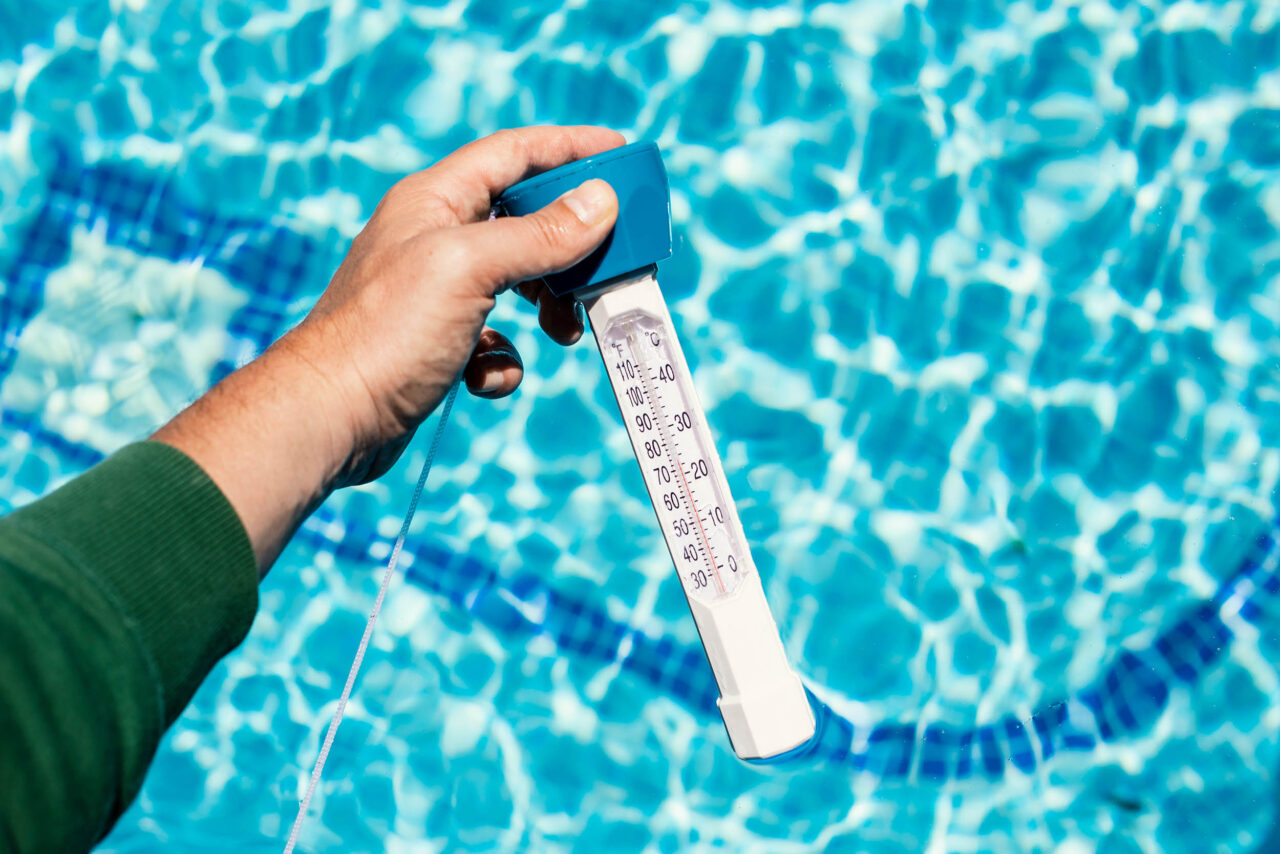
Knowing how to measure pool temperature matters, too. Staff should use trustworthy thermometers or calibrated sensors, compare readings in different areas, and check readings at consistent times.
Why Work With a Commercial Pool Management Partner?
Commercial temperature management connects chemistry, circulation, equipment, traffic, and safety to satisfy guest expectations.
AMP can assess your heaters, automation, filtration, bather load, seasonal use, and pool water balance. From there, we can recommend the smartest heating option for your setting.
The Ideal Pool Temperature Depends on the Facility
The ideal temperature comes down to the pool’s purpose. After all, a plan for a resort pool won’t be the same as one for a lap pool, therapy pool, or spa.
Consistent temperature control improves comfort, safety, efficiency, and the overall guest experience. Reach out today to schedule a commercial pool assessment, water management consultation, or equipment evaluation with Aqua Management Partners.
